Thursday, August 16, 2018

Tackling the Dreaded Synopsis: Part Two

With PitchWars, Author Mentor Match, and other contests right around the corner, I'm re-running my posts about how to write synopses. Feel free to comment with any questions, and make sure to check the archives for over two dozen synopsis critiques!


Last week, we covered the basics of synopsis writing. This week, as promised, we're going to get into the mechanics, using an example from a book most of us are very familiar with. Now take a deep breath, limber up your typing fingers, and let's get synopsizing! And keep in mind, if you'd like your synopsis critiqued on this site, the submission instructions are below.

Where do I start? Do you use an outline? If so, start there! Flesh out each scene from your outline's descriptions, focusing on the main plot, into no more than a paragraph each. Many scenes will require only a sentence, some paragraphs will summarize more than one scene, and some scenes won't require summary at all (focused on a subplot, character description, etc.). Once you have all the relevant scenes fleshed out, start connecting the dots: make sure going from Scene A to Scene B, all the way to Scene Z, makes sense in the context of your central plot. Then revise the language until it flows well.

If you don't have an outline, make a list of scenes from your manuscript, in order. Summarize each scene (you don't have to do this in great detail, just enough so you can explain what happens in your central plot in each scene). Then connect the dots and revise the language.

Some pointers
  • Use third person, present tense, active voice, regardless of what you used in the manuscript.
    • This isn't required, but it helps orient the reader if you put each character name in ALL CAPS the first time you use it. This makes the name stand out to the reader.
    • ... but no more than 4-5 named characters in the synopsis. For everyone else who isn't as integral to the main plot as those 4 or 5 characters, describe them by their relationship to the main character or the plot. For example, in a synopsis for Harry Potter and the Sorcerer's Stone (the book we'll be working with below), the only named main characters should be Harry, Ron, Hermione, Voldemort, and Quirrell. There are obviously many other important characters in these books, but for the purposes of this book, everyone else can be described rather than named (Harry's aunt, the headmaster of Hogwarts, etc.). 
    • Start at the beginning. Weave in a brief description of the setting, the time period, and any other details necessary to orient the reader, and then get right into the main character and his/her 'ordinary world,' in order to lead into the inciting incident in the next paragraph.
    • Lead right into the inciting incident. What happens to propel your main character into action? You should get into this as soon as possible after describing your main character's 'ordinary world.' What changes?
    • Follow the Hero's Journey (explanations here) or Save the Cat (here) or any other plotting structure you used for your manuscript, and run through every important point that gets your hero from the ordinary world, to the inciting incident, to deciding to act, to trying and failing, to trying and succeeding, to ultimate victory/failure.
    • Give away the ending and all plot twists!
    An example

    Here's the synopsis (by an anonymous poster) from the Wikipedia page for Harry Potter & Sorcerer's Stone. This summary wasn't written to accompany a manuscript submitted to an agent, but let's pretend it was. I'm going to include my comments in bold/brackets throughout. Then, I'm going to rewrite this synopsis so it conforms more closely to the guidelines we've discussed (focusing on the main plot, limiting the number of named characters, etc.):

    Original Synopsis with Comments:
    The most evil and powerful dark wizard in history, Lord Voldemort, murdered married couple James and Lily Potter but mysteriously disappeared after failing to kill their infant son, Harry. [THIS IS BACKSTORY. WEAVE THROUGHOUT THE SYNOPSIS, BUT DON'T LEAD WITH IT] While the wizarding world celebrates Voldemort's apparent downfall, Professor Dumbledore, Professor McGonagall and half-giant Rubeus Hagrid place the one-year-old orphan in the care of his surly and cold Muggle uncle and aunt, Vernon and Petunia Dursley and their spoilt and bullying son, Dudley. [TOO MANY NAMES AND TOO MANY DETAILS ON BACKSTORY BEFORE GETTING INTO HARRY'S STORY. ]
    For ten years, living at number Four Privet Drive, Harry is treated by the Dursleys more like a servant than a member of the family and is forced to live in a cupboard under the stairs. [THIS IS WHERE THE STORY REALLY STARTS. MAKE THIS THE FIRST PARAGRAPH, WITH SOME DETAILS FROM THE OPENING PARAGRAPH SPRINKLED IN] Shortly before his eleventh birthday, a series of letters addressed to Harry arrive, but Uncle Vernon Dursley destroys them before Harry can read them, leading to an influx of more and more letters. To evade the pursuit of these letters, Vernon first takes the family to a hotel, but when the letters arrive there too, he hires a boat out to a hut on a small island. [THIS IS TOO MUCH DETAIL FOR A SCENE THAT CAN BE OMITTED OR SUCCINCTLY SUMMARIZED TO GET TO THE INCITING INCIDENT, WHICH IS HARRY RECEIVING HIS HOGWART'S LETTER]
    It is Harry's eleventh birthday and at midnight, Hagrid bursts through the door to deliver the letter and to tell Harry what the Dursleys have kept from him: Harry is a wizard and has been accepted into Hogwarts School of Witchcraft and Wizardry. [THIS IS THE INCITING INCIDENT, AND SHOULD BE PRESENTED EARLIER] Hagrid takes Harry to a hidden London street called Diagon Alley, where he is surprised to discover how famous he is among the witches and wizards, who refer to him as "the boy who lived." He also finds that his parents' inheritance is waiting for him at Gringotts Wizarding Bank. [TOO MANY DETAILS, WE DON'T NEED ALL THESE NAMES. WE SHOULD BE ON OUR WAY TO HOGWARTS BY NOW] Guided by Hagrid, he buys the equipment he will need for his first year at Hogwarts and as a birthday gift Harry receives a pet owl from Hagrid (which he names "Hedwig").
    A month later, Harry leaves the Dursleys' home to catch the Hogwarts Express from King's Cross railway station. There he meets the Weasley family, who show him how to pass through the magic wall to Platform 9¾ [LITTLE DETAILS LIKE THESE ADD A LOT OF COLOR. PLATFORM 9 3/4 GIVES THE READER AN INDICATION OF THE KIND OF MAGICAL WORLD WE'RE IN. KEEP DETAILS LIKE THESE, BUT KEEP THEM SMALL], where the train that will take them to Hogwarts is waiting. While on the train, Harry meets two fellow first years, Ron Weasley, who immediately becomes his friend, and Hermione Granger, with whom the ice is a bit slower to break. Harry also makes an enemy of yet another first-year, Draco Malfoy. Draco offers to advise Harry, but Harry dislikes Draco for his arrogance and prejudice and rejects his offer of "friendship". [DRACO ISN'T IMPORTANT ENOUGH IN THIS FIRST BOOK TO EVEN INTRODUCE]
    At Hogwarts, the first-years are assigned by the magical Sorting Hat to houses that best suit their personalities. While Harry is being sorted, the Hat suggests that he be placed into Slytherin which is known to house potential dark witches and wizards, but when Harry objects, the Hat sends him to Gryffindor. Ron and Hermione are also sorted into Gryffindor. Draco is sorted into Slytherin, like his whole family before him. [KEEP THIS MORE VAGUE. IF ANYTHING SHOULD BE KEPT HERE, THE ONLY IMPORTANT DETAIL IS HARRY AND HIS FRIENDS ARE SORTED INTO THE SAME HOUSE, WHICH AIDS IN THEIR GROWING FRIENDSHIP AND LOYALTY TO EACH OTHER]
    Harry starts classes at Hogwarts School, with lessons including Transfiguration with Head of Gryffindor, Minerva McGonagall, Herbology with Head of Hufflepuff, Pomona Sprout, Charms with Head of Ravenclaw Filius Flitwick, and Defence Against the Dark Arts with Quirinus Quirrell. [NONE OF THIS DETAIL IS NECESSARY, THOUGH QUIRRELL SHOULD BE INTRODUCED] Harry's least favourite class is Potions, taught by Severus Snape, the vindictive Head of Slytherin who seems to loathe Harry. Harry, Ron, and Hermione become far more interested by extracurricular matters within and outside of the school, particularly after they discover that a huge three-headed dog is standing guard over a trap door in a forbidden corridor. They also become suspicious of Snape's behaviour and become convinced that he is looking for ways to get past the trapdoor. [WAY TOO MUCH DETAIL. CUT DOWN TO ONE SENTENCE]
    Harry discovers an innate talent for flying on broomsticks and is appointed as Seeker on his House’s Quidditch team, a wizards's sport played in the air. His first game goes well until his broomstick wobbles in mid-air and almost throws him off. [SUBPLOT. NOT DIRECTLY RELEVANT TO THE MAIN PLOT, EXCEPT FOR THE NEXT SENTENCE, BUT CAN BE CUT WAY DOWN] Ron and Hermione suspect foul play from Snape, whom they saw behaving oddly. For Christmas, Harry receives an invisibility cloak from an anonymous source and begins exploring the school at night and investigating the hidden object further. He discovers the Mirror of Erised, in which the viewer sees his deepest desires becoming true. [IRRELEVANT SUBPLOTS]
    Thanks to an indiscretion from Hagrid, Harry and his friends work out that the object kept at the school is a Philosopher's Stone, made by an old friend of Dumbledore named Nicolas Flamel. Harry is also informed by a centaur he meets in the forest that a plot to steal the Philosopher’s Stone is being orchestrated by none other than Voldemort himself, who would use it to be restored to his body and come back to power. When Dumbledore is lured from Hogwarts under false pretences, Harry and his friends fear that the theft is imminent and descend through the trapdoor themselves. [THIS IS A GOOD PARAGRAPH. PRESENTS THE STAKES WELL AND EXPLAINS WHY HARRY AND HIS FRIENDS WOULD PUT THEMSELVES IN DANGER]
    They encounter a series of obstacles, each of which requires unique skills possessed by one of the three, and one of which requires Ron to sacrifice himself in a life-sized game of wizard's chess. In the final room, Harry, now alone, finds Quirrell, who admits that he had tried to kill Harry at his Quidditch match against Slytherin. He also admits that he let a troll into Hogwarts. Snape had been trying to protect Harry all along rather than to kill him, and his suspicious behaviour came from his own suspicions about Quirrell. [I WOULD LEAVE OUT THE SUBPLOT ABOUT SNAPE UNLESS YOU'RE WRITING A LONGER SYNOPSIS. FOR 1-2 PAGES, IT CAN GO]
    Quirrell is one of Voldemort's followers, and is now partly possessed by him: Voldemort's face has sprouted on the back of his own head, hidden by his turban. Voldemort needs Harry's help to get past the final obstacle: the Mirror of Erised, but when Quirrell tries to grab the Stone from Harry his contact proves lethal for Quirrell. [A LITTLE MORE DESCRIPTION HERE SINCE THIS IS THE CLIMAX OF THE BOOK] Harry passes out and awakes in the school hospital, where Dumbledore explains to him that he survived because his mother sacrificed her life to protect him, and this left a powerful protective charm on him. Voldemort left Quirrell to die and is likely to return by some other means. The Stone has now been destroyed. The school year ends at the final feast, during which Gryffindor wins the House Cup. Harry returns to the Dursleys' for the summer holiday but does not tell them that under-age wizards are forbidden to use magic outside of Hogwarts. [THIS IS A CONFUSING ENDING. END WITH A SENTENCE THAT'S RELEVANT TO THE PLOT, NOT SOMETHING THAT LEADS INTO FUTURE BOOKS]

    Rewritten Synopsis

    Ten-year-old HARRY POTTER lives with his aunt, uncle, and cousin, who treat him more like a servant than a family member, and force him to sleep in the cupboard under the stairs. Harry can't remember his parents, who died when he was an infant. He mostly keeps to himself, avoiding his cousin's bullying and his uncle's unpredictable wrath. But when strange things start happening around Harry, including his sudden ability to converse with a snake, and an influx of letters addressed to him flood the house, Harry realizes he's part of something bigger than the only world he's known.

    Then, on Harry's eleventh birthday, a huge, good-natured man shows up with another copy of the letter, despite Harry's uncle's attempts to destroy all of them. It's Harry's acceptance letter to the Hogwarts School of Witchcraft and Wizardry. The man explains that Harry is a wizard, and in fact, his wizard parents were murdered by the most evil and powerful dark wizard in history, LORD VOLDEMORT, who disappeared after failing to also kill Harry as a baby. Harry is shocked to learn he is famous among the inhabitants of the wizarding world, who refer to him as 'the boy who lived.'

    Soon afterward, Harry leaves his aunt and uncle's house to attend Hogwarts. On the train, he meets RON WEASLEY, the fun-loving youngest son of an established wizarding family, and HERMIONE GRANGER, a brainy know-it-all who is the only witch in her family. When they arrive at Hogwarts, Harry, Ron, and Hermione are all sorted into Gryffindor House, the House associated with bravery and loyalty.

    Soon after starting his lessons at Hogwarts, which include subjects such as Transfiguration, Potions, Charms, and Defense Against the Dark Arts, Harry and his friends discover a huge, three-headed dog standing guard over a trap door in a forbidden corridor. None of their professors will tell them why the dog is there or what it's guarding, but that doesn't stop Harry and his friends from sneaking around the school at night, having a horrifying run-in with a troll, or using Harry's newly-acquired invisibility cloak to spy on their classmates and professors.

    Eventually, Harry and his friends learn the hidden object is an ancient artifact called the Sorcerer's Stone, which gives the bearer eternal life, and in turn, near-limitless power. Harry soon realizes the plot to steal the Stone is being orchestrated by the disembodied Lord Voldemort himself, who plans to use it to return to his body and resume his evil reign. But Lord Voldemort must be using someone on the Hogwarts grounds to acquire the Stone for him. Harry and his friends initially suspect their dour Potions professor, who has a history of associating with Voldemort and despises Harry for unknown reasons, of being his helper.

    Then, the headmaster is lured from Hogwarts under false pretenses. Left unprotected, Harry and his friends fear the theft of the Stone is imminent and descend through the trapdoor themselves to guard it. They encounter a series of obstacles, each of which requires unique skills possessed by one of the three: Hermione must solve a difficult puzzle, Ron sacrifices himself in a life-sized game of Wizard's Chess, and Harry must use his newly-discovered flying talent to retrieve the key to the final door. 

    Behind that door is not the Potions professor after all. It is PROFESSOR QUIRRELL, the Defense Against the Dark Arts professor. He admits he is one of Voldemort's followers and is now partly possessed by him. In fact, Voldemort's face has melded with the back of his own head, and has been hidden all year by Quirrell's omnipresent turban. Voldemort needs Harry to get through the final obstacle and retrieve the Stone for him. Harry is able to get the stone, but when Quirrell tries to grab it from Harry, the physical contact proves disastrous for both Voldemort and Quirrell. Because Harry's mother died to save Harry, she left a powerful protective charm on him and Voldemort cannot touch him, even through someone else's body. Voldemort vanishes, Quirrell is injured but no longer possessed, and the Stone is destroyed.

    The school year ends with a feast, during which Harry and his friends are honored for their roles in saving the Sorcerer's Stone. Harry returns to his aunt and uncle's house for summer vacation. This time, though, Harry goes with the knowledge that he is a wizard and his real life is at Hogwarts with his friends. And no one, not even his awful family, can take that from him.

    Here are some great resources on synopsis writing:


    Wednesday, August 15, 2018

    Nafkote Tamirat's Operation Awesome Debut Author Spotlight and Emerging First Book

    Debut Author Spotlight from @JLenniDorner on @OpAwesome6

    The Parking Lot Attendant by Nafkote Tamirat


    1- What is your favorite cheese?

    The best one: burrata. Any other favorite cheese is problematic.

    2- What five words represent your most notable characteristic or values? #In5Words

    Humor, sensitivity, pride, words, quickness

    3- What ignited your passion for writing?

    Reading books and listening to people tell stories. I’ve been reading non-stop since I learned how and was by all accounts a fairly humorless child, who didn’t really know how to interact with anyone outside of my immediate family. I remember being fascinated by how some people could use their words to make others laugh and pay attention, and I desperately wanted to have that gift. I started by filling composition notebooks with stories about girls who were disliked but secretly brilliant (along with levity, I also lacked subtlety in my youth) as well as one ill-conceived piece about a school photographer who hated children, which I believe I thought was hilarious. I was mistaken.

    4- Would you share a picture with us of your book with something distinctly Ethiopian?

    Ethiopian food -Nafkote Tamirat's Operation Awesome Debut Author Spotlight and Emerging First Book


    5- What are some of your short and long term writing goals?

    To write as much as possible (fiction, essays, etc.) and to keep improving and growing throughout.

    6- Can you tell us about your thoughts and feelings when you found out your book was featured in the May issue of O The Oprah Magazine?

    I grew up watching Oprah with my mom and over the years, my admiration and respect for what she does has only become more profound. It took me a few days to digest the fact that my book was in her magazine, alongside other fantastic authors and then I blacked out from joy. I still haven’t recovered.

    7- What is your favorite book (by someone else), and what do you love most about that book?

    I’m going to cheat and name two recent favorites: the Neapolitan Novels by Elena Ferrante and The Argonauts by Maggie Nelson. With the former, I couldn’t catch my breath fast enough to follow the incredible narration, the sweeping scale of events, the characters who felt like people I knew, the extraordinary depiction of intense female friendship over a lifetime. With the latter, I was struck by the way in which grief and creation (of a person, a piece of writing, a life) were brought together so intimately and beautifully. I’ve always loved how Nelson rejects the binary in favor of diving into the uncomfortable grey areas that permeate the issues that most matter.


    8- What was the best thing about using your native city of Boston in your book?

    My feelings towards Boston are complicated: I grew up in a community that was almost incidental to the existence of the city itself; Bostonians love the city with a passion that I find difficult to wrench up from my depths; Boston remains a very insular city where the people who “belong” all look the same. Writing and thinking about Boston for over six years, while living in a different country, and putting my part of Boston into my own words allowed me carve out a place for myself in my hometown, ironically when I was the farthest I’d ever been from it.

    9- Who is currently your biggest fan? What does that person love most (or "ship") about your debut novel?

    I think my mom is perpetually my biggest fan in basically everything I do and with this book, I think she’s overjoyed it’s a real thing that people can find at bookstores and not just a delightful fantasy that I continue to entertain.

    10- What emotions do you hope your book will evoke for the reader, and is there a particular scene you hope will resonate with readers?

    I hope that anyone who reads the book enjoys the story and following the journeys of these characters who have been living in my brain for years. If during that process, they’re compelled to question preconceived notions, look around their community a bit more closely, read more books about Ethiopians, read more books by Ethiopians and other members of the African diaspora, then I will feel honored and delighted.

    11- What most helped you to improve your writing craft?

    The fiction MFA program I did at Columbia University BUT I do not think that completing such a program is necessary to becoming a good writer. When I arrived at Columbia, I was pretty sure I was the best living writer under the age of 30 and by having fellow students and teachers gently (and sometimes not so gently) show me the flaws in my stories, I gradually became a better editor of my own work and began to understand the kinds of questions I needed to ask myself and potential readers in order to improve. I’m lucky enough to have friends who will read drafts for me, along with an amazing agent and editor, but even before I send work to them, there are many, many rounds of editing I do on my own, which I’m only capable of doing because of the time I spent reading and critiquing the writing of others and having them return the favor. I think it can only help to cultivate relationships with people who are willing to read your work, suggest things, disagree with other things and ultimately, help you push past your initial fears and limitations.

    12- Could you tell us something about living in Paris that might surprise people?

    Paris is one of the best cities to launch your affordable and informal cinema education, thanks to an unlimited movie card, available for €21 a month. Once you have that, you can see as many movies as you want in almost every single movie theater in the city, including venues that exclusively show classic movies or independent movies, meaning that you can watch a silent movie from the 1930s and then a Marvel movie on the same day. Paris is also one of the rare European cities that almost always provides subtitles for movies instead of dubbing them and that regularly shows both the latest and the oldest movies from around the world. There are many things about the city that annoy me (The bureaucracy! The lack of spicy food!) but then I remember my unlimited card and I’m like, oh, I may never leave.

    13- What is the most memorable trait or visual oddity of one of your characters?

    I once wrote a story about a girl with a star tattoo on her face (one of my less successful experiments but the character has stuck with me, so I might give it another go). I also wrote a story called Our Pharmacy where one of the main characters, Alga, follows up almost everything she says with the question, Do you believe me? It starts as a funny quirk but ends as a way to bully others into never daring to doubt her credibility.

    14- In what ways are the main characters in your book diverse? https://diversebooks.org #WeNeedDiverseBooks

    All of the main characters in my book are Ethiopian or Ethiopian-American and while the novel is written in English, we are to understand that the dialogue occurs in Amharic, except in conversations with Americans or non-Ethiopians. Some census reports estimate that there are over half a million people of Ethiopian descent living in the US, and there are more and more Ethiopian artists coming into the spotlight. Nonetheless, many people still think “famine” when they hear “Ethiopia” (if they even know what it is at all). I’m not trying to shame those people (much) but rather, want to point out that like many groups in the US which contribute a great deal to their host country in terms of labor, creativity, political capital, etc., Ethiopians are still an unknown quantity to many. I hope that my book can help bring a fascinating culture and people to the attention of those who have yet to receive the good word about injera and Teddy Afro.

    15- Which character has your favorite Personality Contradiction?

    The first person who comes to mind is Lee Fiora from Prep by Curtis Sittenfeld. How can someone be so infuriatingly passive and self-absorbed and yet also express so eloquently and sensitively what it feels like to be the person who can’t get out of their own head long enough to feel things as they happen and find a place in the world where they so desperately want to fit in?

    16- Does your book hold a mirror up to society, and in what way?

    Perhaps in terms of asking the reader to reexamine their notions about what the American Dream “should” mean for immigrants: every single person who decides (or doesn’t) to make the US their home has a different reason, motivation and experience. No one has to feel gratitude for being in America, no one has to love living in America. The American Dream is a choice made by the individual and should never feel like a gift being forced upon you by a nation.

    17- Can you think of any small change in the world you could make to benefit hundreds of other authors or readers potentially?

    Publicize the books I read and love, especially those written by groups of people who are not usually provided with an extensive platform or widespread exposure. I’ve observed first-hand the difference a few words can make, not only to spread the word about new authors but also to provide encouragement. I have been unbelievably grateful to readers who have contacted me to let me know about how something I wrote affected them, not only for their feedback but also because it makes me feel less alone.

    18- As a reader, what most motivates you to buy a new book to read?

    It’s a combination of: recommendations from friends, articles about books on the literary and pop culture websites I visit, reviews or recommendations from writers I already follow and books recommended by my dad.

    19- How will you measure your publishing performance?

    I don’t mean to be precious about this or faux-modest because I am a.) not at all wealthy and would be ecstatic if one of my books became a bestseller and I could buy everyone in my family a mansion and b.) proud of my novel and always happy to see it mentioned in a positive review or list. However, instead of measuring past performance, I would prefer to channel my attention, anxiety and energy into the pieces I’m working on now and the projects I’m planning for the future.

    20- What was the deciding factor in your publication route?

    I knew very little about the publication process when I started and am still no expert, so I have depended heavily on the wise counsel of my agent, Julia Masnik, and my editor, Caroline Zancan.

    21- What's the best book marketing strategy you've come across?

    I think word-of-mouth is very effective and I’ve always enjoyed book trailers, although I have no idea how well they work as a marketing strategy.

    22- What is one question or discussion topic which you would like the readers of this interview to answer or remark on in the comments?

    Do you think The Fast and the Furious movie franchise should dedicate an installment to a story about the gang trying to extricate their cars from a crowded parking lot? If yes, what are your ideas for how to execute this idea, so as to achieve the maximum speed and fury?

    23- Anything else you would care to share about your book and yourself?

    Nafkote Tamirat's Operation Awesome Debut Author Spotlight and Emerging First Book
    Nafkote Tamirat's Operation Awesome Debut Author Spotlight and Emerging First Book


    The Parking Lot Attendant by Nafkote Tamirat

    Tuesday, August 14, 2018

    Operation Awesome Angelica Jackson's Interview and New Cover Reveal #giveaway #CoverReveal #book

    Crow's Nest new cover


    A former Operation Awesome Team Member dropped by for an interview. Check out this amazing new book cover and great giveaway!


    Crow's Rest: Faerie Crossed Book 1 by Angelica R. Jackson


    1- Could you tell us a little more about the Pens for Paws Auction?

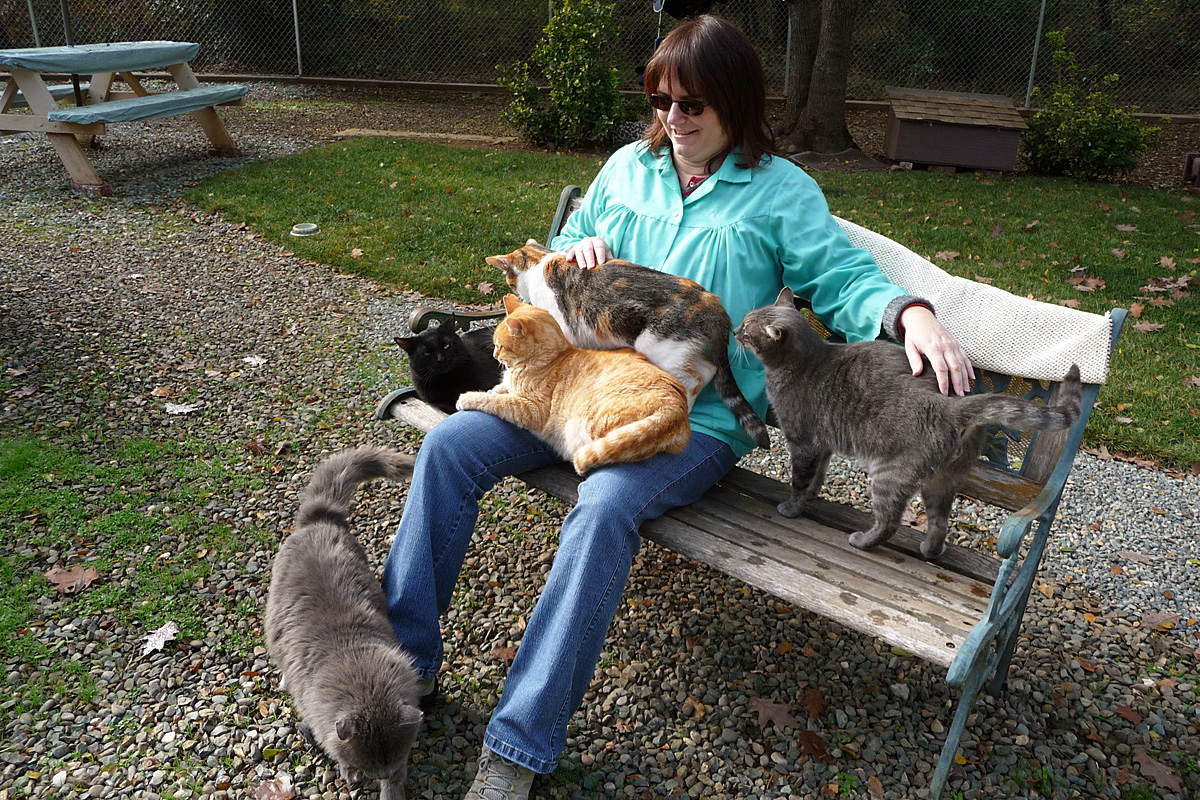
    I started P4P out of a desire to help a sanctuary where I was volunteering at the time, Fat Kitty City. They are unique for being a cage-free sanctuary for domestic cats--some of whom will live out their lives there, and others who are adoptable. FKC goes out of their way to take in special-needs cats, including those that are FIV+, and feral cats, too. I started volunteering there in 2008, mostly helping to photograph the kitties and to socialize them. These cats are extremely grateful for attention and a friendly lap!

    #cats and Operation Awesome Angelica Jackson's Interview and New Cover Reveal #CoverReveal #book #ComingSoon
    I was trying to think of a way to fundraise for Fat Kitty City that would tap into my existing network of publishing contacts, so in 2012 I started putting the word out that I needed donations. The publishing community--including authors, editors, and agents--stepped up to offer some fantastic items for bid. I haven't quite managed to run the auction every year, since it's a one-woman show and I get overwhelmed trying to run the auction and manage my own book tasks. But I hope to revive it next year!

    2- What five words represent your most notable characteristic or values? #In5Words

    Labeling makes Geminis deeply uncomfortable

    3- What ignited your passion for writing?

    Spending a lot of time alone as a kid meant that I also spent a lot of time in my own head; the way I expressed myself was through drawing and writing. For a while, it was genuinely a tossup whether I was going to stick with art or writing as a career. Writing pulled ahead for a while, but I'm now trying to combine my art and writing in creative ways, whether that means cover art, interior design in my books, or even creating images for marketing campaigns. But reading is what really gave me the jumpstart to share my writing--it's so fascinating to spend some time in others' heads.

    4- What was the best part of working with the Operation Awesome Team?

    The community! I knew I always had trusted friends who I could vent to, or ask questions of. We've had an amazing font of wisdom in our collective, and I love that it's continued to evolve. I learned so much during my tenure, with the biggest lesson about sharing your knowledge with others.

    5- Would you share a picture with us of your book in a fun location?

    Of course! This is the signpost in my garden, with some of the destinations from my favorite books on it. So of course Crow's Rest is right at home perching on it!
    sign post image Operation Awesome Angelica Jackson's Interview and New Cover Reveal #CoverReveal #book #ComingSoon


    6- What is the most fun part about writing a story with Fae?

    Having come into urban fantasy after writing a heavily-researched historical novel, the most fun part is making up creatures! I used Celtic mythology as a jumping off point, but I also wanted to create authentically magical creatures that would make the reader wonder which ones are from established mythology and which are the "new" generation Note: I also think making up creatures is the hardest part, because I want them to be believable within the worlds I've also created.

    7- In what ways are the main characters in your book diverse? https://diversebooks.org #WeNeedDiverseBooks

    My main character, Avery, shows some symptoms of mental health issues, which actually turn out to have a magical basis for her (I hope that's not a spoiler, haha). That aspect of her personality was born from my own lifelong struggle with anxiety and depression, and how my teenaged self wished there was some "better" reasoning behind me having that imbalance. Like, what if some of my obssessive traits (like my counting things, and seeking patterns and symmetry) were actually an advantage under different circumstances? What if in another world, in another situation, they would be the key to keeping me safe?

    Also, because so many of my Fae creatures swap bodies, they tend to be rather genderfluid. Occupying a male or female human is not better or worse--it just offers different sensations and opportunities. Many of them are shapeshifters, too, and their own gender is another thing they can manipulate at will (and I haven't explored it yet, but there does seem to be more than two genders in Faerie).

    8- Which character has your favorite Personality Contradiction?

    That would be Avery again! She can be so oblivious to some things around her, especially in relationships, and yet she has an insightful side. A way of seeing past all the noise (which often leads to her calling bullshit on people, for better or worse).

    9- What is something that you know you do differently than most people?

    Um, shop for clothing maybe? I just don't have the patience for it, so when I find something I like I buy it in five colors and call it a day. I do actually enjoy fashion and creating my outfits, I just hate wandering store aisles. I'll be happy when I can print outfits at home on a 3D printer.


    10- Anything else you would care to share about your books and yourself?

    The cover art for my Faerie Crossed series features my own photographs. What a great excuse to schedule a photoshoot at a haunted castle, amIright? My cover designer, Kelley York of X-Potions Design, worked closely with me to turn my art into a cohesive whole and I love the results.
    Operation Awesome Angelica Jackson's Interview and New Cover Reveal #CoverReveal #book Merlin's Stronghold #ComingSoon
    Crow's Rest, the first in the series, came out last May from Crow & Pitcher Press, and the second book, Merlin's Stronghold, will release on October 23.

    I've also released a photobook of that same castle that appears on the covers, but Capturing the Castle: Images of Preston Castle (2006-2016) goes behind the doors into the decaying Preston Castle interior. And as of this writing, a fantastic actor named Brenda Scott Wlazlo just added the finishing touches to the audio version of Crow's Rest. The audiobook of Merlin's Stronghold should be out before the end of the year.

    You can keep in the loop for all the news on my books by signing up for my newsletter on my website at https://angelicarjackson.com and I'm on Facebook at https://www.facebook.com/profile.php?id=100001046475887 and Twitter is https://twitter.com/angelicarjaxon . Get a look at my artwork at https://www.angelicarjackson.photography , including my pics of Preston Castle.

    Monday, August 13, 2018

    In Search of 100 Rejections by Dec. 31

    Y'all remember way back in early March when I publicly declared I was striving for 100 rejections in 2018?

    Well. That has gone...not swimmingly. As it turns out, not writing anything for three months actually decreases the number of projects you can have rejected! Who would have thought, am I right?

    On a serious note, I have counted only eight (8) rejections so far this year. Which isn't to say I haven't had more, because I'm sure a few slipped through the cracks of my depression during the last few months. All that number really proves is that I haven't been submitting and pitching like I had planned.

    Of course, one drawback is the fact that my novel progress has been, how to put this nicely...painstakingly slow. I wrote a combined 3,000 words for June and July combined. None so far in August. A handful more in May.

    You can't query an unfinished manuscript, and seeing as I was already nearing 20,000 words in a re-written but fairly polished draft by mid-March, I was filled to the brim with confidence that I would finish it off and be able to begin querying by mid-summer.

    Maybe there's something in here about "the best laid plans," or whatever, but that feels more pontificatory than anything, and I'm...not in the mood to lecture myself. Or you.

    I actually think my slow progress on the novel is due to a few factors, including the "middle slump," the fact that I'm suddenly working full-time again, and the freezing nature of fear.

    Which is what I want to explore here: fear, and how it freezes us. And this time, not the fear of failure.

    The thing is, as a writer, I'm used to "failure." I've been submitting my writing since early 2014, and had the bulk of it rejected until late 2015. Since then, I've been active as a freelance essayist, and while I've had multiple acceptances, I still regularly get rejected, both from new publications and from ones I have a relationship with already.

    I queried my first novel beginning in January 2015, and out of 30+ queries, I received two partial requests. Neither went anywhere.

    Failure, as a writer, is an intimate acquaintance of mine.

    I'm not afraid to query ALLIE MAE DOESN'T GET THE GUY because I don't want to look its failure in the face.

    I'm afraid to query this book because I believe in it. Because I have hope and faith and belief that maybe, just maybe...this will be the one to succeed.

    I had that belief in my first book (hence, why I queried it) but it turns out it was massively misplaced. The next two books I wrote and edited never reached a place, plot-wise or writing-wise, where I was confident in querying them.

    But this one? This one I believe in. I believe in the story itself; I believe in the characters; I believe in the themes and motifs and the small yet defining personality traits of my protagonist; I believe in the writing.

    I also definitely believe in pretty aesthetics!
    And I'm terrified of being proven wrong. Terrified that I'll finish it, that my critique partners and beta readers will love it and promise that it will snag me an agent. Terrified that I'll send it out to agents and nothing will come of it.

    That I'll be disappointed. And that I'll turn that disappointment upon myself, shape it into a knife pointed directly at my heart.

    You idiot. I can't believe you thought you were good enough. I can't believe you thought you would ever be good enough.

    I swear, I can already hear the mocking words, reverberating in my brain, if I send this book out, heart high, and my hopes are dashed.

    So, yes. I'm 25,000 words into my novel, and I'm frozen with fear. I've spent the past few months telling myself I needed to finish the book because maybe, just maybe, this would be the one. And all that pressure has me caving.

    But.

    But what if, instead, I don't finish the book because it will get me an agent. What if I flip the narrative (again). What if I finish the book because it will help me reach my goal: 100 rejections by December 31.

    Again I find that looking at rejections as notches in a shield and not "the worst possible outcome" helps. I don't know how or why. I just know that it reframes the issue, and suddenly I'm not afraid of them.

    Each rejection is a sign that I tried. That I flung myself out there, vulnerable and unafraid, and yes, I was turned down, but you know what?

    I tried. I faced my fears. And even if they think they won, I know they're wrong. Because the way you defeat fears isn't by proving they were unfounded. It's by proving they can't hold you back.

    What is something you're afraid of in your writing journey...and what steps, small or not, can you take to try to prove your fears won't hold you back?

    Friday, August 10, 2018

    Change of Heart at Operation Awesome #WEP #IWSG

    #wep #iwsg Change of Heart
    Write Edit Publish


    Perhaps a bit unusual for this challenge:

    Operation Awesome proudly introduces our three new operatives!


    #quote image We must always change, renew, rejuvenate ourselves otherwise we harden. Goethe


    The members of the team are the HEART of Operation Awesome. 

    Due to time restraints, mostly thanks to successes, we have an influx of new members this month, which is a big 

    CHANGE OF our HEART

    So, in under 300 words each, here are quick introductions from our new team members!

    #quote unless you do something beyond what you have already mastered you will never grow Osborn image


    They'll do longer, individual introduction posts later. This is just a fun way to say hello to everyone out there. No feedback is needed for this non-fiction post, but it'd be great if you'd say hi back!

    #quote we cannot become what we want to be by remaining what we are image

    Nathaniel:


    Hey, everyone! My name is Nathaniel Glanzman and I'll be the new Query Friday/ Flash Fiction Friday point guy. I found out about Operation Awesome through #QueryKombat, and as soon as I was introduced to it, I was in love. My favorite thing about Operation Awesome is its ability to bridge connections between writers. It is an excellent resource to strengthen and nurture one of my favorite things in the whole world: Writing. I know this may sound cliche, but I've been a writer all my life (The first thing I remember writing was a poem about how much my mother loved money when I was four) and there is hardly a moment in the day when I'm not thinking about a character or a plot point to write down later. My default novel is a character-centric, internal conflict-heavy slice of life with an ensemble cast of mentally ill, neurodivergent, queer social misfits. Writing has both changed my life and saved my life on more than one occasion. I can't imagine my life without it. I'm honored to be a part of a team that cultivates that in others.


    #quote image Choice, chance, change


    Amren:


    Hi y’all, I’m Amren! I’m so excited to be a part of the OA team. It’s hard out there for those of us going through the writing process, so having a group like OA to provide support through every stage is a huge help. I know I was lost before I found an online community of writers, and I’m grateful to have the opportunity to share some of what I’ve learned along the way. I can’t wait to get started! I’m going to be starting a new recurring event with OA to critique manuscripts’ first pages, so hopefully I’ll be seeing your pages soon 😊


    #quote image by Joss Whedon No one is ready for big change but it's what you do afterwards that defines you


    Kate:


    Hello!

    I’m Kate and I’m thrilled to be joining the Operation Awesome team. I have been a long-time reader of the blog, and it has been an incredibly useful resource as I’ve attempted to navigate this tricky world of writing and publishing. I am looking forward to giving back to the community in my own small way as Operation Awesome’s new OAbby. So if you have any burning questions about writing or publishing, send them my way!

    Writing and publishing is a long game, and one that’s not for the faint of heart. You have to have perseverance, the hide of a rhino and not allow yourself to be overwhelmed by the crippling self-doubt that comes at some point in every writing project. Writing is a solitary act, so it’s important to have a community to support you when you need it. And a community that understands the unique challenges of being a writer is important.

    I’m proud to be a part of that community and look forward to meeting and supporting you as part of the new OA team.


    #quote what is the point of all of this if you aren't going to let it change you image


    We hope you'll come back to visit Operation Awesome, where we focus on helping those in the publishing journey. 


    Pass or Pages is our quarterly query critique contest. We also have synopsis critiques, posts about feelings on writing, Dear OAbby, the Debut Author Spotlight, and other fun features.

    #quote A mighty change of heart includes a mighty change of thinking image

    Thursday, August 9, 2018

    Tackling the Dreaded Synopsis: Part One

    With PitchWars, Author Mentor Match, and other contests right around the corner, I'm re-running my posts about how to write synopses. Feel free to comment with any questions, and make sure to check the archives for over two dozen synopsis critiques!


    Here's an increasingly common scenario. An agent has had your partial or full manuscript for several weeks, and you finally get a long-awaited email from her. Your heart pounding, you open the email. "Can you please send me a synopsis?" she asks.

    Or you just found out about a contest you know you want to enter. The contest judges will be deciding which entries move on to the agent round based on a query letter, the first page/chapter of the manuscript... and a synopsis. The entry deadline is tomorrow. Your query letter and the manuscript itself are word-perfect, edited, beta-read, and revised. But can you write a great synopsis in 24 hours?

    In this post, we'll discuss what a synopsis is (and isn't), how synopses are used by agents and authors, and the basic requirements for writing a good one.

    Next week, we'll go through the mechanics of synopsis writing, and I'll post an example of a synopsis that works.

    After that, I'll be critiquing your synopses - we'll add a form to next week's post so you can submit!

    What is a synopsis? A synopsis is a summary of your manuscript's plot. It details the entire main plot arc (including the ending) and also mentions the most important subplots and characters. It doesn't include many character or setting details, and also doesn't include dialogue, metaphors, or detailed descriptions. Think of it as the blueprint for a house. You don't need to show the tablecloths and chandeliers, but you'd better make sure the dimensions of all the rooms are accurately represented.

    Why does everyone hate writing synopses so much? Because it's hard! You've spent months (maybe years) writing your book, weighing every word, stressing over character arcs, settings, and plot points. Now you have to condense tens of thousands of words into a couple of pages? It's definitely daunting, but it's doable.

    How is it different from a query letter? I like to think of a query letter as 'teasing your story' and the synopsis as 'telling your story.' It may not sound like a huge difference, but think about it: With the query, you want to say just enough to entice an agent, to excite her so much about your story that she just has to request pages. You don't want to give away the ending in a query - you want to end on an uncertain note, a cliffhanger, with the action or decision your main character will have to choose. You want to hook the agent, but you don't want to reel her in. On the other hand, with the synopsis, you're reeling her in by telling the entire story.

    Why do agents and contest judges want synopses? An agent might be reading your full manuscript, but also have 100 other fulls to read. If she starts reading and knows right away she likes your voice, your writing, your characters, and the concept, she may request a synopsis so she can get a 'cheat sheet' for the plot without having to read the entire manuscript. It's a way for her to confirm the plot isn't going to go off the rails in the middle or end of the manuscript, and that you can sustain momentum throughout the book. Same with contest judges - they often have hundreds of entries to pore over. A synopsis helps cut way down on reading time.

    How long does it have to be? The most common requests seem to be 'no more than two pages' and 'no more than five pages.' I've always started by writing a five-page synopsis, and then cut it down to two pages. The opposite works just as well. Once you've got both, you're ready to go, and can comply with a request for either a short or long synopsis.

    What formatting should I use? Use the same font/size as your manuscript (12-point Times New Roman, etc.). For the five-page synopsis, double-space and indent paragraphs. For the two-page synopsis, you can single space and add a space between paragraphs instead of indenting.

    What parts of my manuscript do I need to cover? All of it! Well, okay, that's not exactly true. You need to set the scene, introduce your main character, and run through the entire main plot. All of the significant events (and characters) from the main plot need to be included. Subplots and secondary characters can be included if they are directly relevant to the main plot. And you MUST give away the ending.

    How many characters can I name? Rule of thumb is no more than 5. More than that, and it starts getting difficult for the reader to keep track. For all other characters, you can refer to them using their relationship to the main character (for example, John's brother, Mary's teacher, etc.).

    Do I need comps, word count, genre, a bio, etc.? Nope. Save those for the query.

    Does the writing have to be stellar? Why not? This is another opportunity to show the agent or contest judge that you've got the chops. Write your synopsis like you're answering the question, "What happens in your story?" You want that answer to be colorful, intriguing, and complete, and for it to showcase your writing abilities.

    My book has a great twist at the end. I can't possibly give it away? Too bad. If an agent has requested a synopsis, then he wants to know how the plot of your book progresses, and that necessarily includes the ending.

    When should I write my synopsis? I usually write my synopsis when I'm about halfway through the first draft of my manuscript (note: I do create broad outlines before I start writing, so if you're a pantser, you might prefer to wait until the first draft is done). Writing a synopsis while I'm writing the book lets me know whether the plot is working. Is there a clear through-line for the main plot? What's missing to connect Points A, B, and C? Does a character appear in the first chapter of the book and then isn't heard from again until the 50% mark? A synopsis helps you see the forest for the trees - you can make sure your main plot is working while you're writing the draft. Besides, after you're done editing the manuscript and sweating over the query letter, it's nice to know you've already got a draft synopsis waiting in the wings!

    Got questions about the 'Tackling the Dreaded Synopsis' series? Feel free to ask, or start a discussion, in the comments. And tune in next week for more on the mechanics of synopsis writing and a sample synopsis of a novel 99% of you will be familiar with!

    Wednesday, August 8, 2018

    Elisabeth Cohen's Operation Awesome Debut Author Spotlight and Emerging First Book

    Debut Author Spotlight from @JLenniDorner on @OpAwesome6


    The Glitch by Elisabeth Cohen


    Behind the scenes, today's debut author and I got into a discussion about Pennsylvania's crazy weather. We're about an hour apart from each other and both getting drenched. 🚤 My forecast for the week from weather.com:
    rainy weather in PA screenshot from weather dot com

    1- Welcome my fellow Pennsylvanian! How's the summer treating you in "The City of Brotherly Love" or "The City of Brotherly Love and Sisterly Affection"?

    I was having a marvelous summer until it started to rain every day! The weather forecast coordinates nicely with my book cover:
    stormy weather image The Glitch by Elisabeth Cohen


    2- What ignited your passion for writing?

    I’ve always kept journals, and I’ve always been interested in recording my own experience (and other people’s too--I worked as an archivist and loved getting to think about and imagine other people’s lives). I like talking even more than writing, but it’s the same desire: the urge to shape experience into narration.

    3- Would you share a picture with us of your book with a Philadelphia landmark?

    I wish I had a photo of my book with the famous “Bolt of Lightning” sculpture (it’s in honor of Benjamin Franklin’s electricity experiment with the key). It’s too rainy and I’m too far away to go snap one right now. Here’s the sculpture:
    Bolt of Lightning. . . A Memorial to Benjamin Franklin

    4- What are some of your short and long term writing goals?

    My goal is always to write more and better than I’m writing now.

    5- Do you take a multivitamin?

    Yes. When I remember, which isn’t every day. I take it while cleaning up after dinner because I’m too much of a weakling to take a vitamin in the morning (coffee is all I can get down). Unlike my main character, Shelley, who takes a men’s multivitamin because she doesn’t want to miss out on any of the important stuff the men are getting from their vitamins, I take Trader Joe’s “Women’s Formula” with the mauve label. I also take iron.


    6- What is your favorite book (by someone else), and what do you love most about that book?

    I love that parenthetical, but trust me when I say that it isn’t even close. I keep saying my favorite book is Old Filth, by Jane Gardam, and I think that’s still true, but for a long time it was Dance to the Music of Time, by Anthony Powell, and if you ever want a great British 12-part novel, I recommend it. It’s very long and traces the life of a person and that person’s friends from their school days into their old age. By the time you get to the third volume or so, it becomes genuinely thrilling when the old characters from youth crop up, and feels very much like what it’s like to run across someone from your own past. It’s hard to explain but it’s an experience.

    7- Who is currently your biggest fan? What does that person love most (or "ship") about your debut novel?

    It’s my 10 year old. He read my book and gave it a somewhat stinging review (he had a lot of ideas involving androids and he was disappointed I didn’t work them into the storyline), but he falls asleep at night listening to the audiobook.

    8- What emotions do you hope your book will evoke for the reader, and is there a particular scene you hope will resonate with readers?

    I hope the book will be fresh and surprising and funny. I love when a book goes off in a sharp, surprising, funny direction and isn’t afraid of breaking the rules. I hope there are other readers who find that kind of book pleasurable and like The Glitch.

    9- What most helped you to improve your writing craft?

    Having a writing related job in which you write vast quantities of words helps: you realize that even writing simple, straightforward things like letters and speeches and grant applications can be hard and take too long and require too many drafts, and you learn that much of writing is just pushing through, revisiting, cleaning up, rethinking, doing it again.
    I also feel like I’ve learned something about writing from doing crossword puzzles. Maybe that’s just how I justify doing them.

    10- What is the most memorable trait or visual oddity of one of your characters? (Example: Jorek scratching his neck in Carve the Mark, or Harry Potter's lightning bolt scar.)

    Funny you mention lightning bolts. I think the most memorable trait of Shelley is that she was struck by lightning as a teenager. And the grueling recovery from that experience made her into someone who is compelled to maximize her time and sees everything in her life in terms of value and productivity.

    11- In what ways are the main characters in your book diverse? https://diversebooks.org #WeNeedDiverseBooks

    So, my main character is not diverse: she’s white, rich, and the CEO of a tech company. She is atypical, in the sense that there aren’t many women CEOs, but she’s privileged in all the ways you’d expect (and not particularly aware of her privilege, either).

    Alternative question 11: What's your favorite book with a diverse main character?

    My favorite book with a diverse main character is Americanah, by Chimamanda Ngozi Adichie. It’s such an enjoyable book, pleasurable and perceptive and absorbing.


    12- Does your book hold a mirror up to society, and in what way?

    It’s in part about the contradictory expectations we impose on women in power: that they must be warm, involved mothers, while also clocking long hours at the office; that they should be attractive yet not vain; assertive but not shrill or pushy; fit but “feminine” looking; able to project gravitas but not old. It sets up a very complicated set of expectations for women in power. I think it’s something to think about, especially as we see an increasing number of women running for elected office. I’d like to see us examine our assumptions about what we expect of women in power, how we talk about and write about them, the question we ask them, the criticisms we raise.

    13- As a reader, what most motivates you to buy a new book to read?

    I’ve been thinking about this a lot lately. The most obvious one is social pressure because the author is someone I know. Or going to a book event because I’m curious about the author and feeling a desire to support the bookstore or the author. Or feeling kind of down and wanting to treat myself to a book that will cheer me up. I also buy a lot of books as gifts. (I have to throw in here that The Glitch would make a very appealing gift!)

    14- What's the best book marketing strategy you've come across?

    Infiltrate the White House, get the scoop, and then tell all? That wasn’t possible for this book, though.
    I think doing more of a pre-pub push to get preorders would be a good idea. I didn’t do that, but I think it makes sense.

    15- What is one question or discussion topic which you would like the readers of this interview to answer or remark on in the comments?

    How do you feel about the trend of covers that are abstract designs, rather than images or illustrations? Does it make it harder for you to jump into the book and get started? (I think it does for me). Or do you like the mystery/non-specificity of an abstract design rather than a defining image?

    16- Anything else you would care to share about your book and yourself?

    Shelley Stone, wife, mother, and CEO of the tech company Conch, is committed to living her most efficient life. She takes her "me time" at 3:30 a.m. on the treadmill, power naps while waiting in line, schedules sex with her husband for when they're already changing their clothes, and takes a men's multivitamin because she refuses to participate in her own oppression. But when she meets a young woman also named Shelley Stone who also has the exact same scar on her shoulder, Shelley has to wonder: Is she finally buckling under all the pressure?

    Bio:


    Elisabeth Cohen's work has appeared in The Mississippi Review, The Cincinnati Review, Conjunctions, McSweeney's, and The Millions. She graduated from Princeton University and has an MA from the Writing Seminars at Johns Hopkins and an MLS from the University of Maryland. She works as a medical editor and lives outside Philadelphia with her husband and two sons.
    Twitter: @elisabeth_cohen
    Instagram: @cohen_elisabeth
    Website: elisabethcohen.com


    The Glitch by Elisabeth Cohen

    Thursday, August 2, 2018

    Synopsis Critique #26: Adult Fantasy

    And now, it's time for this week's synopsis critique! The author of PERSEPHONE'S WALTZ, an Adult Fantasy novel, submitted this synopsis. My in-line comments are [blue and in brackets], and I'll include a summary at the end. Feel free to comment below!

    If you'd like a primer on how to write a synopsis, see my posts here and here. And if you want your synopsis critiqued on this website, fill out the form here, or email your 1-2 page synopsis to me at operationawesome6@gmail.com. (NOTE: I'll email my critique to the author as soon as I'm done, so the author won't have to wait to see his/her synopsis on the site). Thanks for participating!

    Synopsis

    Holy Maiden YSABEL has only four months and three weeks to live. It’s a race to see which kills her first [1]: her healing ability which takes a day off her life every time she uses it or the Council of Patriarchs who plan to sacrifice her in a ritual to obtain immortality when she turns twenty-five. Ysabel has made her peace with her fate and uses the political influence it brings her as leverage to obtain political rights for women and protect the halfling refugees camping outside her city. Although by “made peace” she means she indulges in recreational drugs and dominatrix games to forget. She also suffers from face-blindness and anxiety attacks. [2]

    Then Dark Lord KAINE arrives half-dead at the doorstep of her clinic [3], fleeing an assassination attempt by Patriarch JIOH. Ysabel sneaks him out of the city so he can stop his army from attacking her city. [4]Before leaving, Kaine tells her he owes her a great debt which he vows to repay. 

    The next she hears of him, he’s got an army outside the Holy City Arahasnor and is demanding the patriarchs turn her over to him. The council sells her out like cheese about to expire.[5] Still traumatized by the last clichéd dark lord who tried to carry her off, Ysabel hides a knife in her hair and plans to save herself. 

    After narrowly avoided being stabbed, Kaine explains he did it to save her life after he discovered that the council and their leader JIOH plan to kill her and have bound her with a magical oath not to escape. It definitely wasn’t a dreadful attempt at kidnapping equal love! [6]Although, he’d be lying if he said he didn’t have any feelings for her…enough to entrust her with his greatest secret, that he’s a trans man who uses Bodymodifiers. [7]

    Ysabel has become accustomed to giving up and sacrificing herself [8], but Kaine persuades her to let him try to free her from her geas. [9]The plan is to win World Game, a proxy war where nations compete for territory and money using teams of six wizard-warriors. The world leaders are magically bound to abide by the outcomes. Kaine’s gift, Plunder, allows him to steal other’s abilities and makes him a favorite to win. Ysabel has the first team made of women and led by [10]her best friend, Humanity’s Strongest Wizard-Warrior ALZIRA, who can control meteors. However, she’s [11]been too scared to compete ever since the patriarchs threatened to murder all her friends if she tried, and it takes reassurance from them to find the courage she’s been suppressing. [12]

    Ysabel and Kaine’s teams meet in the finals and fight to a draw. [13]When Kaine is injured, Ysabel admits her love for him. Now she’s been freed of her oath [14]and become the new head of the council by defeating all the patriarchs [15], all seems well. In a vicious twist, Jioh reveals himself to be a former dark lord with necromantic powers who takes over the city. [16]Imprisoning Ysabel’s friends, he forces her to cruelly reject Kaine. 

    Ysabel’s teammates break out of jail and come to save her. Kaine breaks into the city to save her too despite her earlier attempt to chase him off. He fights Jioh despite his magic not working and is fatally injured while killing the lich [17]. He refuses to let Ysabel heal him because she is already close to the end of her lifespan, despite her pleas. When she tries to heal him, he uses his ability to steal her cursed gift, while she tries to stop him because she doesn’t want him to end up with her curse. 

    The result of their clash of wills is that Ysabel’s life is restored but Kaine loses his ability to steal magic. Ysabel continues to heal people [18], but from Kaine, she’s gained the power to take a day of the patient’s life instead of her own. She marries Kaine and moves back to his kingdom. In the very last scene, she overhears two kitchen maids telling the story of how the dark lord abducted the holy maiden. They’re both under the illusion that Kaine is the dominant one in the relationship, although actually he’s submissive by nature, as is revealed when Ysabel heads back to her room. But she no longer cares what others think of her and is content with her new life.

    Comments

    [1]I think this is better phrased as ‘which will kill her first’
    [2]This last sentence seems tacked on, and unnecessary to this synopsis, since neither her face blindness nor anxiety attacks recur later. I’d delete it.
    [3]This is the first mention of ‘her clinic.’ I assume it’s where she practices her healing, but I’d make that clear.
    [4]I’m very confused by this sentence. Is the ‘he’ you refer to Kaine? Why was his army about to attack the city? Did he have a change of heart about attacking, or is not attacking the favor he plans to use to repay Ysabel?
    [5]This phrase doesn’t fit the tone of the rest of the synopsis.
    [6]I don’t understand this phrase (kidnapping equal love). Did you leave out a word or punctuation?
    [7]Why does Kaine entrust her with this secret? Is it a secret because he’d be killed or deposed if it got out? The fact that he’s a trans man doesn’t seem relevant to the rest of the synopsis, so I’d either cut it or refer to it again later, assuming it’s important to the plot.
    [8]But earlier, she had a knife in her hair so she could defend herself…
    [9]What are ‘geas’?
    [10]This would be better phrased as, ‘which is led by her best friend…’
    [11]Is the ‘she’ Ysabel or Alzira?
    [12]This is cool, and I like the idea of a wizard game that leaders are magically bound by. It’s different. But I’m not quite sure how it ties into the stakes of the book (which I think are Ysabel being freed from the council? I’m not totally sure). Take some time and see if you can distill the stakes into a single sentence. Once you have, see if you can better explain how the World Game relates to those stakes.
    [13]Isn’t it Kaine’s goal to get Ysabel freed? Why would they have entered separate teams? Wouldn’t they have collaborated on forming a single super-team?
    [14]How?
    [15]When did she do this? How?
    [16]But he was already a bad guy, right? Why is this a twist?
    [17]What is this?
    [18]Is she still head of the Council? I thought the plot was going to result in a more political role for Ysabel, but maybe not?

    Summary

    To make this stronger, really focus on identifying the stakes in the book. Why must Ysabel take action? If she doesn’t act, then what? Once you’ve done this, make sure every step of the main plot described in the synopsis relates to those stakes and works directly for or against Ysabel’s journey. Right now, the main plot is a little muddled because I can’t quite figure out how the World Game fits in with Ysabel’s stated goal (I think) to become free. 


    Overall, it’s an interesting story and you just need to work on clarifying some points in the synopsis. Best of luck with this!

    Wednesday, August 1, 2018

    Mark Morrison's Operation Awesome Debut Author Spotlight and Emerging First Book

    Debut Author Spotlight from @JLenniDorner on @OpAwesome6

    TwoSpells by Mark Morrison


    1- What's the best thing about bike riding?

    The freedom, the music from my Ipod, the wind in my face, the strain in my thigh muscles, the sun beating on my sweating skin and the joy in reaching my distance goal for the day.

    2- What five words represent your most notable characteristic or values? #In5Words

    Empathy, tenacity, honesty, integrity, curiosity.

    3- What ignited your passion for writing?

    My imagination of course. I wanted everyone to read my stories, my creations, my thoughts and ideas.

    4- Would you share a picture with us of your book in a library?

    I'd have to use a photo from my own library and you'd make fun of me if you knew some of the child-like books I read. I'm still a kid at heart. (IE: Diary of a Wimpy Kid)

    5- What are some of your short and long term writing goals?

    My short term is to have my next novel, in editing now, available in three months and the second of the TwoSpells series available by February of 2019. My long term goal is to write at least the stories I've already either written completely or in part published before I run out of time on this world.

    6- How well do you get along with your seven siblings, and do you have any tips for others in big families?

    I have a very close relationship with three of the four sisters, one has passed long before she should have, and two of my three brothers. One has chosen a life of seclusion, nobody knows why. The best tip I can think of is; love each other and be happy.

    7- What is your favorite book (by someone else), and what do you love most about that book?

    By far the most influential book that changed me in any profound way was the Holy Bible. I'm not religious by any standards but it opened my mind at a very young age as to how so many folks can believe so strongly in something they cannot see, touch, or hear. I was absolutely amazed at its impact on families and culture and based on faith alone. A truly outstanding book!


    8- Who is currently your biggest fan? What does that person love most (or "ship") about your debut novel?

    My son Jason. He's my mentor, my tutor, my editor, my sounding board, and an inspiration in so many other ways. Someday I'll write his remarkable story if he doesn't beat me to it first.

    9- What emotions do you hope your book will evoke for the reader, and is there a particular scene you hope will resonate with readers?

    Joy! I do love the scene near the opening of the book where Jon was sleeping, open mouthed, and Sarah watched the disgusting orange-brown glob run down from Jon's mouth and join his collection of tee shirt stains.

    10- What most helped you to improve your writing craft?

    More writing. TwoSpells was really the first thing I've ever written in my life. Corky was the second and the next in the TwoSpells series will be my third. I better be getting better after all the help I've gotten from wonderful reviewers like yourself.

    11- How important do you think social media sites, such as Facebook, Twitter, Pinterest, or Instagram, are to today's authors?

    I'm sure a lot, but I'm computer illiterate for the most part. My VCR still has the clock flashing off and on. Maybe I should upgrade my technology?

    12- What is the most memorable trait or visual oddity of one of your characters?

    My first instinct is to say the numbered tattoos on the Golem.

    13- In what ways are the main characters in your book diverse? https://diversebooks.org #WeNeedDiverseBooks

    Sarah and Jon are of mixed species. They'll have to deal with their own kind, the Irregulars, in the future. After the great war their similarities may become a detriment to the twins belief in themselves as well as others.


    My favorite character of diversity was Jim from Huckleberry Finn. The relationship between him and Huck was touching.

    14- Which character has your favorite Personality Contradiction?

    Liam. He's spontaneous but cautious as well.

    15- Does your book hold a mirror up to society, and in what way?

    Yes! It still shows that certain cultures are still stigmatized and pushed away from standardized beliefs and silly guidelines considered the norm.

    16- Can you think of any small change in the world you could make to benefit hundreds of other authors or readers potentially?

    If every person in the world suddenly went blind for just a short time maybe we'd all see each other in a different light.

    17- As a reader, what most motivates you to buy a new book to read?

    The cover first, I'm a visual person, then the blurb cause I'm a sucker.

    18- How will you measure your publishing performance?

    By how many who've read my story and liked it. I have enough of everything else in my life I didn't start writing for the money, fame or accolades.

    19- What was the deciding factor in your publication route?

    Self-publishing because my father used to say you could only control one person, yourself. I like the control of my own destiny.

    20- What's the best book marketing strategy you've come across?

    I haven't found that yet. I'll let you know when I do though.

    21- What is one question or discussion topic which you would like the readers of this interview to answer or remark on in the comments?

    Will Sarah's family ever be reunited?

    22- Anything else you would care to share about your book and yourself?

    TwoSpells


    TwoSpells is a magical tale about teenage twins, Sarah and Jon, who find out that they're heirs to an ancient, magical realm containing an enchanted library that can transport a reader to anywhere or anytime the author has written into a story. They soon realize that moving through the uncharted inner-sanctums of multidimensional worlds isn't the safest nor wisest of choices.

    Both are emboldened with a wondrous mystical gift that no being has ever possessed. But fate intervenes pulling them into an evolving inter-dimensional war between their kind, Irregulars, and treacherous evil forces flowing from parallel universes looking to claim the library's unique magical enchantment as their own portal to besieging and conquering all realms outside their own.

    The two must rescue their world from a phantom hybrid alien race controlled by a demented dark-wizard, Jeremy Sermack. They'll either assimilate or be exterminated.

    Will they embrace their true identities as Irregulars and become the valiant saviours the prophets envisioned, or will they retreat to the perceived safety of their distant homeland populated with the Regulars?

    Chapter 12 Excerpt


    THE FRONT DOOR LAY FLATTENED, hinges bent and twisted and the sliding bolt-lock contorted. The door jam was broken and splintered.

    “What is this?” Grandpa roared, waving his walking stick at the mountainous intruders. “Which one of ya’ is gonna pay for all this?”

    The dust settled and the two ominous figures stood just outside the doorway, the bright moon blazing behind them. Tattooed across their pale blue foreheads were the numbers thirty-seven and thirty-eight. Each was stuffed into a suit two sizes too small and busting at the seams, barely able to contain their hulking, muscular bodies. Black, wraparound sunglasses hid their eyes from view and Sarah could tell that something strange lay behind them. One muttered into a small microphone curled toward his lips and the other stared straight ahead.

    Grandpa rolled up behind them. “Collectors!”

    “Collectors?” Sarah whispered to Jon. He shrugged.

    “You know why here,” Thirty-seven grunted, flipping one side of his jacket open and exposing a peculiar gold badge attached to his belt. It was a cluster of mechanical gears embedded with astrological symbols and a mechanical winged dragon clinging to a peculiar orbs.

    “We do not!” Grandma shouted, leaning on her walker.

    “Overdue book,” the other one boomed, holding out a six fingered hand.

    “I don’t know what you’re talkin’ about ya’ thug,” Grandma said, rolling her walker closer. “Who’s gonna fix me door?”

    The Collectors muttered something in another language to one another.

    “We haven’t even been ta’ the bloody library in years,” Grandpa argued. “Ya’ have that written in your records?”

    Thirty-seven moved closer, his hand out again. “Special text overdue.”

    Sarah and Jon eased backward a little. The tone of its voice sounded threatening.


    Mark Morrison's Awesome Debut Author Spotlight and Emerging First Book
    Mark was born number seven of eight children in a small town in Ohio. His family moved to Florida where he grew up, met an incredible women, got married and raised four fantastic children, three boys and a girl.

    Many years later an empty nest left him to his true calling, storytelling. His first remarkable story is about a heroin whose courage and unrestrained personality, like his daughters, breathes passion and fervor into this adrenaline packed fantastical story.


    TwoSpells by Mark Morrison