Showing posts with label Writing. Show all posts

Thursday, November 14, 2024

Dear O'Abby: Can I use Chat GPT to write a book?

 Dear O'Abby,

I've seen a bunch of stuff recently from authors who claim to have written multiple books in a year using AI and that they are making very good money from them.

As a writer who has spent several years painstakingly writing and editing and polishing my own books, and making about enough to buy one cup of coffee per quarter, I'm wondering if using Chat GPT might be a way to both speed up my output and increase my income.

Are there any issues with using Chat GPT to write a book?  I feel like there are probably pitfalls I haven't considered here...

Kind regards,

No Robot

Dear No Robot,

Technically, yes, you can use Chat GPT to write a book.  It might even turn out okay if you keep refining the prompts you give.  The machine learns from consuming an enormous amount of data from all kinds of sources and if you give it the right prompts and information to start with, it can spit something out that looks and feels like a book.

The problem comes when you try to sell that book.

Because the AI takes material from the internet to "learn" it is likely using intellectual property that belongs to someone else.  Which means you may have issues when it comes to copyrighting your AI generated book.  

There are also rules popping up all over the place about being upfront about what is and isn't AI generated.  When self-publishing through Amazon, you need to indicate whether you used AI to write the book.  I've noticed that this is also something many agents are now asking when you fill out their Query Manager forms too.

But there is a distinction between AI generated content and AI assisted content and I think there are places in the writing process where using a tool like Chat GPT could be useful.  I would never ask it to write the book for me, but it can be helpful with things like suggesting a title or character names.  It can also be helpful with research and even with outlining if you're willing to put in a lot of time and effort.

I've never tried it for editing,  but I believe it can help with that too - at least as a first pass.  It will catch grammar and syntax errors, but a set of real human eyes is still important.  The AI will likely correct things that are not grammatically correct, but are part of your own authorial voice or the voices of your characters.

One place I've found AI to be useful, is in cutting down my synopsis to the various different lengths required for different agents.  My basic synopsis for the novel I'm currently querying is close to three pages long, but some agents only want a one page synopsis, while others are happy with two and another group might want less than 500 words.  The AI generated synopses aren't perfect, but with a few tweaks and polishes, they do the job.

At the end of the day though, writing is an art and machine-generated art is never going to have the heart or the soul or the unique point of view that you write from.  Personally, I write because I love to write.  I love the process of spinning a story from my imagination onto the page and getting under the skin of my characters and discovering who they are alongside them.  It may be more time consuming than plugging a few prompts into a chat-bot and seeing what gets spat out, but it's also way more rewarding and enjoyable.

So, while I might use the odd AI tool to help me along the way, I would certainly never use Chat GPT to write for me.  Why would I deny myself the very real joys of writing?  Even when some days are painful and hard and getting royalty reports can be soul destroying. At the end of the day, writing is something I love to do and even when it's hard, I wouldn't hand my characters to a machine to deal with.  Would you hand your kids to a robot to raise?  No.  I thought not...


Thursday, May 2, 2024

O'Abby's writing prompt

As promised last month, I thought we'd kick May off with another writing prompt.

I'd love to see what you do with it, so feel free to share what you write in the comments, or email your story or poem to O'Abby at operationawesome6@gmail.com.

I've been reading an older book that is told entirely through letters written by a soldier during WWI and his fiancĂ© and family back home. The perils of war meant the letters often took weeks or months to get to the reader and therefore, the responses are sometimes disjointed and non-linear.  Reading this made me think about how much we rely on modern communication methods and how instantaneous replies can be.

Prompt:

Write a poem or story using text messages where one person is in an area with limited coverage and keeps losing signal. 

Happy writing!

Thursday, February 22, 2024

From the Archives - Dear O'Abby: Can I writer reviews if I'm an aspiring author?

 Dear O’Abby, 


I’ve been getting conflicting advice about whether or not to review books as an aspiring author. Some people tell me I shouldn’t do it because if I give a bad review to a book represented by a publisher or agent I might wish to query, they may have already put a black mark by my name. Others say I should write reviews because it helps to identify things wrong with stories and writing that I can then apply to my own work. 

Do you have an opinion on this? 

Best, 

Confused 


Dear Confused, 

I’ve heard that story about why writers shouldn’t write reviews too, but I’ve never taken it too seriously. Agents and publishers should be mature enough to understand that not every book is going to appeal to every reader and that well-written reviews can be valuable to the author even if they aren’t 100% positive. 

As a writer, it’s important to read critically and reviewing books is one way to force yourself to do so. If you like a book, reviewing it will help you figure out why you enjoyed it. Was it the story? The characters? The way the words are strung together? 

And if you didn’t like the book, what was it you didn’t like? Did you feel the characters acted inconsistently? Was the writing pedestrian? Did the plot fall flat? 

By identifying what you do and don’t like about the books you read, you will find yourself growing more critical of your own writing and you may save yourself a lot of grief by fixing issues long before you send the manuscript off to agents or publishers. 

If being blacklisted by agents or publishers for writing negative reviews is a real concern, there are a number of ways you can get around it. 

Firstly, only publish reviews of things you like. Write the negative ones because they’re often more helpful to you as a writer than the positive ones, but don’t publish them. I did this for a while, calling the review section on my blog ‘books I’ve loved’ and only reviewing things I really liked. I ended up stopping this though, because there just weren’t enough books I loved to write a positive review every week. 

Another way to get around it is to review under a pseudonym or write under a pen name so your reviews aren’t linked to your author name. 

The key thing to remember when writing reviews is to be constructive. Don’t just pile on with a negative rant. Nothing is 100% bad, so even a negative review can mention a few positives to balance out the negativity. Personally, I like to start with something I liked and finish with another thing I liked with all the critique in the middle. Always read what you have written before you publish and think about how it would make you feel if this review was for your own book. 

I would also suggest you don’t tag the author when you publish the review. Not all writers like to read their reviews and if they accidentally click onto a link in a tweet or something and find themselves confronted with a negative review, it could be very upsetting for them. 

So that’s my opinion on whether writers should write reviews. I know other people have different opinions, but if you want to write reviews and if you find the process helps your own writing, why not? 

If you want more information about this topic, Operation Awesome's J Lenni  Dorner has written a very helpful book, Writing Book Reviews As An Author which gives much more in-depth guidance about how to effectively review books as an author. Some of the advice in there may contradict my own, but it's still a valuable resource, even if you are not a writer and want to write reviews.

Happy reviewing!

X O’Abby

Thursday, September 28, 2023

Dear O'Abby: How do I write realistic characters?

 Dear O'Abby,

I have been working on a novel for several years now, and was finally brave enough to hand it over to my writing group for critique and several of the group members have come back saying my characters don't feel real and that they struggled to tell them apart.  The book is based on something that happened to me a few years back and the characters are based on the people who were involved in that event.  Obviously I've changed names and in some cases melded two people into one to protect their identities, but I feel like they are quite distinct.  But maybe that's because I know they are?  

My question is, how do I make characters more realistic and distinct?  Do you have any tips that might help me?

Kind regards,

Baffled

Dear Baffled,

There are lots of things you can do to make your characters feel like real, well rounded humans who exist in your story world as individuals.  You say your characters are based on real people, so think about who these people are and what makes them THEM.  Everyone is a product of their upbringing and influences and experiences, so to create realistic, well rounded characters, you need to think about their lives before your story begins and what brought them to that place at that time.

People are not perfect either, so giving your characters flaws will help to make them feel more real.  Some people have a temper and fly off the handle at the smallest thing.  Others may have a bleak or cynical view of the world and respond negatively to everything.  Some people are trusting to a fault and find it difficult to accept it if someone disappoints them in some way.  There are so many different flaws people can have, and often one thing leads to another, layering flaw upon flaw.

People also have different ways of speaking, so dialogue can be a really good way to make characters distinct.  Some people have pet phrases or words they use (or misuse) constantly while others may speak more (or less) formally.  Giving each character a unique voice can go a long way toward distinguishing them from each other.  Again, think about their backgrounds when writing their dialogue.  Someone who is very religious may not use real swear words, but make things up when they need an expletitive.  Someone who grew up speaking another language may have a different rhythm to their speech than someone who is native to English.

As well as distinct speech patterns, people have specific mannerisms.  Some people bite their nails when they're nervous, or pick at their cuticles.  Some people keep their hands in their pockets to hide the fact their fingers tremble.  Someone with bad teeth (or who used to have bad teeth) might raise their hand to their mouth before smiling.  All these small gestures can be incorporated into your characterisation and will help to make the inhabitants of your story feel real and well-rounded.

Also, look at the way they react and interact with other characters.  In a group, people respond differently to different people.  They may be more or less guarded, use different body language or speak differently.  If there is a power dynamic within the group, this will be be particularly obvious in the way those with less power act toward those they perceive as having more.

It is also important that each character has a purpose.  Even when the overarching goal is the same for a group, every individual has their own wants and needs that will dictate the way they respond to events and how they go about working toward that shared goal.

Go through your manuscript with an eye out specifically for these things and you will probably find multiple opportunities for deepening and expanding your characters.  You may also want to write some back story for each of them so you know where they're coming to your story from. This never needs to be made public, but can be a useful tool in fleshing out your characters.  

I hope that's helpful

 X O'Abby


Thursday, September 7, 2023

Dear O'Abby: How do I write good dialogue?

 Dear O'Abby,

My critique group recently told me they feel like the dialogue in my stories is letting my writing down.  They say it's stilted and doesn't feel realistic.  Do you have any tips on how to write dialogue that feels natural and smooth?

Sincerely,

Scriptless

Dear Scriptless,

I think the best tool for writing natural sounding dialogue is to read your scenes aloud.  You'll hear when it doesn't ring true.  People are often sloppy when they speak and use a lot of contractions and slang terms, so if you write dialogue using formal written English, it won't feel realistic.

Using too many dialogue tags, especially things other than "said" can also make your dialogue feel unrealistic and stilted.  Save expressive tags like "yelled", "whispered", "howled" or anything else for moments when they are really needed.  The rest of the time, "said" is fine.

And don't even use "said" too often.  A lot of the time you can indicate who is speaking in a scene through action instead of using a tag.

"I'm going now," Jim said.

Sally didn't look at him. "So go, then."

When there are only two people speaking in a scene, there is no need to break up the flow of dialogue with any tags - they can just converse.  I suggest throwing a bit of action in every few lines to keep the reader grounded in who is talking and to keep the scene from reading like a script.  

And remember.  Dialogue shouldn't be used to provide exposition.  It should drive the story forward, always, give valuable character insights and needs to fit the character speaking it.  Everyone has slightly different ways of talking, and one way to make your characters distinct is through their dialogue.  Maybe one of your characters has a favourite word they use often or incorrectly.  Maybe one doesn't ever swear and has silly phrases she uses instead of profanity.

Dialogue is fun and incredibly important to make your characters sing off the page.  So have fun with it!


X O'Abby


Tuesday, February 7, 2023

Children's Books Explorations: January (Board Books)

What is a Board Book?

These are usually made for newborn babies to around 2 years old. They have thick paperboard pages to combat wear and tear from baby hands and mouths. There may be more interactive elements to these books such as cloth, noise, or popups to engage a baby or allow the reader to make the story more exciting. Our Hello Genius books are favorites among toddlers because of their fun stories with familiar animals, repetitive text, and bright, energetic illustrations. Parents and caregivers love them because they are the perfect guides for a child’s first steps in social emotional learning, self-care, and manners. 

(Quote Source) 

The Board Books I read this month: 

  1. Jasper & Joop by Olivier Dunrea
  2. Peter Pan by Jennifer Adams, Alison Oliver
  3. Classic Lit A to Z by Jennifer Adams, Alison Oliver
  4. A Little Princess by Jennifer Adams, Alison Oliver
  5. My First Passover Board Book by Claire Lister
  6. Making Faces by Abrams Appleseed
  7. The Secret Garden by Jennifer Adams, Alison Oliver
  8. The Jungle Book by Alison Oliver, Jennifer Adams
Yes, I read more than five! I am shocked because I was behind in my other goals for January. 

What I learned: 

Of course there were illustrations, and thicker pages to withstand small fingers helping to turn pages. I learned that even subjects of Passover, emotions, and literary classics can be a board book. It broadens my scope of what I want to write when I create my own board book. Any story can be a board book.

Do you have a favorite Board Book?

Tuesday, November 29, 2022

NaNo Tip of the Week--Week 5 of NaNo 2022


Welcome to week 5 of National Novel Writing Month (NaNoWriMo)! The focus for today is celebration. The goal for today is 1,667 words for the day with a total of 48,343 words. For Reverse NaNo folks, the goal is 116 words for the day with a total of 49,999 words.

Completing NaNo always feels like graduation to me. Congratulations!! Throw your mortar board and tassel in the air!!


With less than 48 hours left, what are you going to do to celebrate once you hit the win button? 

Tuesday, November 22, 2022

NaNo Tip of the Week--Week 4 of NaNo 2022


Welcome to week 4 of National Novel Writing Month (NaNoWriMo). Today I will focus on what to do when something comes up and you're not currently making your goals. The goal for today is 1,667 words for the day with a total of 36,674, words. For Reverse NaNo folks, the daily goal is 1,840 words for the day with a total of 46,774 words.

I'm kinda bummed that my grand plans for doing 100K in 30 days will not occur this month.

  • Getting sick. 
  • Traveling for work. 
  • Changing work schedule. 
  • Finding beetle larvae in the kitchen. 

Regardless of the circumstances that hindered me from writing my double Reverse NaNo goals, I have been able to keep up with the minimum 1,667 words per day. 

So, I made the decision to keep writing this month and finish out NaNo with 50K. Perhaps with December rolling around, I can attempt my 100K then with the handy dandy goal tracker on the NaNo site.


The most important thing though is to not be hard on yourself. It was rather pressing to clean my kitchen and do what I can to remove beetle larvae so I can actually eat. They say self-care a lot these days. 

Tips for when you're not meeting your goals:

  1. State your goal.
  2. What progress have you made?
    1. Spend time on this step.
    2. How have you celebrated your success?
    3. Remind yourself of why this is your goal in the first place.
  3. What barriers have you encountered?
    1. Is there a pattern with any barriers?
    2. How can you address the barriers right now?
    3. How can you address barriers next time?
  4. Celebrate the progress you have made!
  5. Adapt your new goal, and/or create a new goal.

What are you planning to do this week to work toward your NaNo goal?

Tuesday, November 15, 2022

NaNo Tip of the Week--Week 3 of NaNo 2022

Welcome to week 3 of National Novel Writing Month (NaNoWriMo)!

The goal for today is 1,667 words for the day with a total of 25,005 words. For Reverse NaNo folks, the goal is 1,724 words for the day with a total of 37,923 words.

Congratulations on making it to the halfway point! Congratulations on every word that you have written, especially if it is less than your goal and especially if it is more than your goal. Every word counts!

Pause. Take a breath.

How is NaNo really going so far? Are you where you would like to be on Day 15?

  • Yes, I am ahead of my goals: 
    • Keep it up! Don't forget to take some breaks. You are making wonderful progress!
  • Yes, I am halfway through my goals:
    • Excellent! Great work making it to the halfway point. Take a break. Keep it up!
  • No, I'm Behind: 
    • That's ok! There are 15 days left to write more words. Can you write for an extra 10 minutes every day? Make a new small goal if you'd like to get back on your daily word count goals for the month. Take a break. Take a breath. You can do this! Keep writing!
  • No, it's not going to happen this month: 
    • That's perfectly acceptable and totally okay. Sometimes Life happens. Take care of yourself and do what you have to do this month. Your project will be ready when you are. Good luck!
What are your writing goals for the next week?


Tuesday, November 8, 2022

NaNo Tip of the Week--Week 2 of NaNo 2022


Welcome to week 2 of National Novel Writing Month (NaNoWriMo)! Today we will focus on reward systems. The goal for today is 1,667 words for the day with a total of 13,336 words. For Reverse NaNo folks, the goal is 2,527 words for the day with a total of 23,447 words.

Congratulations on making it to the quarter point! Eight days down, 22 days to go. Every word is a winner in this amazing goal of yours!

Now, week 2 may not be the best time to talk about rewards, but bear with me. This week tends to be my historic worst in my (yikes!) 14 years of NaNo participation due to the week 1 energy wearing off. I usually encounter at least one (if not several) issues that pop up with my story. I didn't do enough research. I didn't do enough planning. I don't like the story anymore. I don't like so and so character. In general, I encounter problems and my motivation tends to wane. Or I didn't make my word count goal for the day and I'm bummed.

Enter Rewards on Stage Right.

I have experimented the last couple of years with making a reward box for a friend who prepared a reward box for me. We exchange the reward boxes and then either take pictures and send to each other or we open the cards/presents on video chat or in person. I usually combine cards and small gifts for milestones (5k, 10k, 20k, 25k, 35k, 45k, and 50k). This year my friend and I are going to the dollar store and buying 30 gifts that are each $1 and then we will have something to open each day. 

I like to start with candy and then move up to higher level rewards for the higher word counts, depending on the person's preferences. I am very happy with lemon drops, Reeses, some new markers or colored pencils. You get the idea.

Regardless if I have a reward exchange with a friend, I always buy myself a little something (usually a book I really want) and celebrate when NaNo is over with a nice meal at one of my favorite restaurants.

I have also noticed that I work harder when I get the reward first. Then I have to earn it. But this varies, and sometimes it is exciting to work for the reward and then get it. Feel free to experiment!

How are you motivated? What rewards have you earned so far? What rewards are you going to earn for reaching your goals?

Tuesday, November 1, 2022

NaNo Tip of the Week--Week 1 of NaNo 2022


Welcome to week 1 of National Novel Writing Month (NaNoWriMo)! Today we will focus on writing sprints. The goal for today is 1,667 words for the day with a total of 1,667 words. For Reverse NaNo folks, the goal is 3,346 words for the day with a total of 3,346 words.

Congratulations on starting your NaNo project! I am so excited to see where your project takes you.

Week 1 energy is amazing. I highly recommend attending a write-in virtually (or in person this year, from NaNo HQ) and meeting fellow Wrimos. Find people in your region, or who live in your area, by going to Community and selecting Find a Region. When you find a region and make it your home, you will be able to see where the region congregates on the web on the NaNo forums and elsewhere online (Discord, Facebook, etc.).

Go to a write in, virtually or in person. Participate in a word sprint, where the goal is to write as many words as you can in a specific time frame. My favorite (and current goal) is to consistently write 1,000 words in 15 minutes. I did it once last year, and whew, it was hard and it was great to know it was possible for me! I can't wait to do it again.

As for length, I do sprints as small as 5 minutes and as long as 45 or 50 minutes. I tend to favor the 15, 20, or 25 minutes with a break, and then divide these into an hour with breaks in between. I find it is easier to focus for the sprint length if I know that a break is coming in the near future.

Sarra Cannon regularly shares documents to track your writing progress for the month. I highly recommend watching her YouTube channel for writing tips and advice, especially for the planners out there. I enjoy tracking my sprint times and word counts to try and beat my record. You can also create your own tracking system by hand, or my favorite, playing in Excel or a spreadsheet program of your choice.

What are some of your sprinting goals? Do you find a certain length of time works for you?

Tuesday, August 16, 2022

It May Be Time to Learn Shorthand


I first heard about shorthand when I was a journalism minor taking additional classes on how to be a better copy editor. Personally, I start my stories and novels on paper with pens and then start typing on the computer. I love playing with pens, particularly fountain pens and Papermate flair pens. 

Basically, shorthand was used in court, offices, and businesses, anywhere rapid note taking and writing was needed. As someone who has fought with fountain pens for years to find a pen that can keep up with my rapid ideas when I'm in the flow, shorthand is appealing. Until I can learn shorthand adequately, the Pilot G2 will always be my go to. Although the Junior Pelikan pens do stand the time test.

Some of the tests had stenographers writing 180 to 300 words per minute. I can only type 77 words per minute on the computer, so perhaps shorthand will assist with my goals of writing 1,000 words in less than 15 minutes for my National Novel Writing Month projects on a consistent basis.

Check out a great history of shorthand here with some picture examples.

Here is a great guide to learning shorthand.

Do you have tips and tricks to keep the words flowing when you are writing? Do you prefer writing by hand or typing on the computer?

Thursday, May 19, 2022

Dear O'Abby: How do I transition from kids' books to books for adults?

 Dear O'Abby,

I am a kid-lit author with several published MG and picture books to my name.  I have also published a couple of YA  novels for younger YA readers.  I love writing for young people, but the new book I am working on is very different and will definitely be for adults.  

I'm wondering if you know anything about how to transition to this new audience without having to use a pseudonym.  With such an extensive publishing history, I don't want to lose the name recognition even though I'm targeting a different audience.

Yours truly,

Transitory

Dear Transitory,

Darn it!  You've already eliminated the most obvious answer here - to use a pseudonym.  But I understand your reasons for not doing this and respect them.

Firstly, I would ask if you currently have an agent representing your kidlit projects?  If so, do they also represent adult books?  If they do, they will be in a far better position to guide you through this transition than I.  But given you've asked here, I suspect you either don't have an agent or your agent does not represent adult books.

So...  If it's the latter, you need to talk to your current agent.  Let them know that your new book doesn't fit in the wheelhouse of your previous work. Depending on your working relationship, she may be willing to explore new avenues on your behalf.  Or there may be another agent at the agency who could represent your new project and the two agents could work together on your career.

If you don't already have an agent, or your current agent doesn't have any leads for you, you will probably want to query your new book when it is ready.  Research widely for agents best suited to your new work. Make sure that when you query you let the agents know that you have a body of work and (if it is the case) and agent already representing this facet of your career.  This will give you a leg up on authors that don't already have a track record of publishing and working with an agent.

Obviously the whole querying thing is a lot of work and if you feel like this book is a one-off and you probably won't write another adult book, you may not want to do this.  It may also be harder to get an agent for the project because agents tend to like working with writers' careers, rather than single books.  If this sounds like you, there is always self-publishing or even working with a small press that doesn't require an agent to submit.

There are so many variables!

Hopefully this is helpful.

Best of luck with finishing the new book.

X O'Abby

Thursday, May 12, 2022

Dear O'Abby: The A - Z looked fun. How do I chose a theme?

 Dear O'Abby,

The A - Z Challenge you did throughout April looked like such fun!  I am really hoping to get involved in the 2023 version but was wondering how to choose a theme.  I'm a writer (or, trying to be) and would love to do something writing-related, especially since so many of the other blogs I visited also seemed to be book or writing focused.

Do you have tips on picking a theme?

Yours,

Alphabetically

Dear Alphabetically,

The A - Z is fun!  It's also hard work, but that's just part of the challenge.  In terms of picking a theme, you can choose anything, but I think it's important to choose something you're genuinely passionate about.  My two favourite things are reading and going to the movies, so I suggested book to film adaptations to Operation Awesome for this year's challenge.  I feel like we barely touched the surface with that one!  I mean, I think we could possibly have narrowed the focus to just Stephen King books made into films and covered practically the whole alphabet!

Which is the other thing to think about - can you find topics for even the tricky letters like Q and X and Z?  

It's good if you can get prepared in advance, so before March 31, it's a good idea to have at least mapped out what you hope to achieve in the month.  Personally, I never know how much time I'm going to have in April and tend to write posts in advance and schedule them so I'm not scrambling mid-April to write something awesome for M or T the night before it needs to publish.  But some people use the challenge to force themselves to write every day and get into that habit.

So some ideas for you to toss around before next April...

  • Writing terms from Ampersand to Zeugma
  • Book reviews from A - Z
  • A serialized story with a word beginning with A - Z as the inspiration for each section - you could even get blog readers to supply these words ahead of time so they are invested in the story bfore you start
  • Fantasy worlds from A - Z
  • Authors from Austin to Zola - research and write bios.  You could even read one of their books and write a mini review in each if you have time
  • Picture books
  • Poetry challenges - try to write poems using only words of a single letter (except your joining words etc)
  • Tell people about yourself by writing about your favourite things from A - Z and why you like them so much (or the things that irritate you)
Basically, the world is your oyster.  The point is to get yourself writing, so whatever you choose, make sure it's something you want to write about, something that will get you excited to sit down in front of the keyboard each day.

And most of all, have fun with it!  Visit the other blogs and make new friends.  Learn things you didn't already know.

Hope that helps!

We will look out for you in 2023.

X O'Abby

Thursday, July 15, 2021

Dear O'Abby: Are flashbacks bad?

Dear O'Abby,

My latest book has flashbacks written right through it because my MC's present is very much a product of past events.  I think this structure works really well because each flashback to the past relates to an event or emotion being experienced in the present.

My critique group disagree.  Often loudly.  Several of them have told me they think the flashbacks detract from the story because they break the flow and others say they add unnecessary words.  Another told me flashbacks are old fashioned and that no modern publisher will take on a book with this structure.

What advice can you give me about using flashbacks?  Am I wrong to want to structure my book this way?

Best,

Flash

Dear Flash,

To be honest, it's really hard to answer this without having read your book.  Flashbacks are tricky to do well, and they need to serve a purpose or they can lessen the immediacy and power of the story.  

Read your manuscript with a critical eye and ask yourself if every flashback you've written is really necessary.  Is there anther way this information could be imparted to your reader?  Sometimes referencing a past event in conversation with another character can give enough of an idea about that event to clue in the reader.  Especially if either or both characters have a really visceral reaction to it.  Any event worth flashing back to is something that will have ongoing impacts on them in the present, will continue haunting them throughout the story.

If you do think every flashback is necessary, make sure you make it clear to the reader what is happening in the present and what is in the past and make the transitions between the two smooth.  If you're jumping between time periods in a single chapter, the reader needs cues to know that they're moving from the present to the past, and then back again.  Experiment with using different language in your flashbacks, or if you really are having one per chapter, maybe consider changing the structure so you alternate chapters between past and present.  Although that may not work if the events you're flashing back to happen at random points in the characters' lives rather than in a single period.

My book Chasing the Taillights had flashbacks in almost every chapter when I first drafted it, but as I worked through the revision process, I realized most of those flashbacks were unnecessary, except for one long one toward the end.  The others could all be conveyed through the characters' internal thoughts and their conversations with others.  By cutting out all the unnecessary flashbacks, I managed to cut the wordcount of the book by about 20K.

So, my overall advice about flashbacks would be to only keep the ones that are really needed for a reader to understand and engage with the story, to keep them as brief as possible where they are needed, and to ensure the reader is well cued when you are moving in or out of a different time period.

And one more really important thing to remember: don't put a flashback in your first chapter.  The first chapter is for introducing your characters and the world they are currently living in.  You can hint at past events, but save the flashbacks for once the reader is well bedded into the world and starting to be invested in the characters.

Hopefully that is of some help.

Good luck with the book.


X O'Abby


Tuesday, July 6, 2021

Creating a Writing Routine...And Sticking With the Game Plan


Do you want to write (fill in the blank) and you've been trying for (length of time) to write your project? But to begin with, what is your current project? What has your current timeline looked like in the past and what does your current writing routine look like for a current project?

Here's my example.

So I have been working on this character's story since 2011 when I combined two short stories into a novel, and I made several attempts at a novel draft. Then I took a graphic novel workshop in 2015 and now the story is a graphic novel. I created a script and just need to decide how to organize the mini stories into a cohesive or somewhat cohesive graphic novel so I can start the sketching and final stages.

My goal is to take the graphic novel script and rearrange my outline, then do sketches, then final artwork. 

Writing Routines that Worked for me in the past

1. Getting up early and working on current project prior to work. 

2. Working on lunch break.

3. And...I have not usually been successful with working on a current project after work. Just too tired. 

So that means that working on the project before work is my best bet. 

Coming up with a Game Plan

Since this is my first graphic novel, and I am a self-taught artist, I am unsure of how long it will take to complete this project, let alone the fact that I have been working on this story for a solid decade, as of this February 2021. 

What are your steps? What needs to happen first?

My steps include:

1. Organize the script.

2. Create sketches.

3. Feedback from beta readers who are fellow artists.

4. Create sample final pages.

5. Feedback from beta readers who are fellow artists.

6. Create final pages.

Tracking your progress

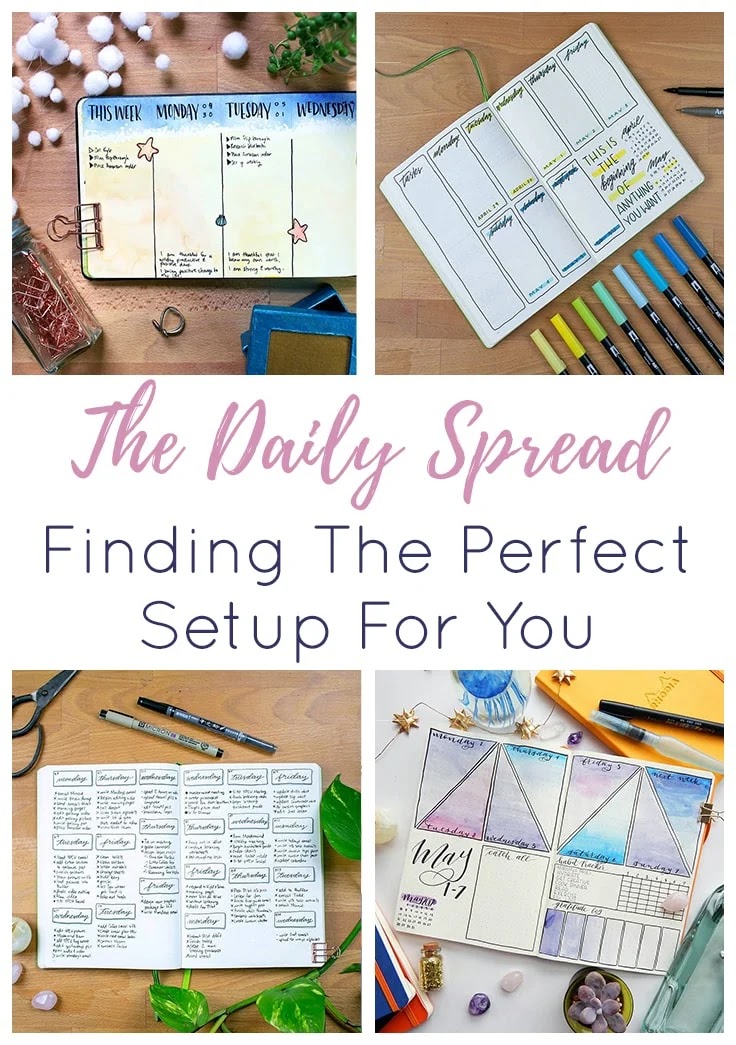
I'm a huge fan of bullet journaling and I have been experimenting with daily trackers. My initial goal will be working on my project every morning before work for 30 minutes and to work on my project on my days off for an hour. Once I have settled into this routine, then I can revise my progress and game plan as necessary.


How do you tackle your writing routine and game plan for a current project? What has worked for you in the past? What works for you now?


Thursday, February 11, 2021

Dear O'Abby: Can I make a living as a writer?

 Dear O'Abby,

Is it possible to make a living as a writer?  What should I do to make this happen?

Yours,

Directionless


Dear Directionless,

Short answer, yes.  It is possible to make a living as a writer.  But...

It really depends on what you want to write.  Very few writers make a living writing novels or picture books or even non-fiction books.  So if that's what you're talking about, I'd say probably not.  And certainly not right away.  If you're lucky enough to write a book that's a runaway smash hit and shoots to the top of the best-seller list, then you may be able to make a living writing books.  At least for a while.

If you're willing to consider other kinds of writing, there are certainly ways to make a living.  You could freelance and write stories for newspapers and magazines and other publications.  It's not always easy to get hired for these things, but if you're eager and persevere, you may be able to get enough work to get by and if you're good, you may get offered a regular column or feature in one or more of these publications.

You could also consider technical writing - writing manuals or guides or webpages.  If you have some specialist knowledge in a certain area, this could be something you can put to use.  But even if you don't, if you can analyse and understand concepts and put them into words clearly, you can probably work in this area.  Some companies will need in-house people to do this work which could be a full-time position, whereas others will hire freelancers when and where they need them.

Advertising agencies need writers to come up with the perfect words to sell products.  If you're good at coming up with pithy one-liners or catchy phrases that stick in the brain for days, copy writing for an advertising agency could suit you.

And of course there's writing for film, television and theater too.  Screenwriting and playwriting are quite different skills to writing prose, but good writing is is good writing, regardless. And a compelling story or character is compelling on screen, on stage or on the page.  If you are thinking about trying out something in this arena, my advice (as someone who works in the screen industry) would be to remember that these are visual mediums.  Think about how you might tell a story visually.  That whole show vs tell tell thing becomes way more critical when the story is going to play out in front of the audience. 

With social media being such a crucial tool for engagement these days, there are also opportunities for those who can write smart, succinct, engaging social media posts across platforms.  So if you're glued to your phone and spend much of your time on Instagram and Twitter and Snapchat, there may be a role for you writing this type of content.

If you have an eye for detail and excellent knowledge of grammar, spelling and punctuation, there may be opportunities for you to work as a proof reader or editor.  Again, this could be a full-time, in-house position at some companies, or something you do on a freelance basis.  It's not actually writing, but you will use the skills and knowledge you have developed through writing to improve the writing of others.

And that's just a handful of the opportunities that may be available to you if you want to make a living as a writer. Even if that's not exactly what you had in mind, and your dream is to write best-selling novel after best-selling novel, doing other types of writing will only help hone your skills. I write for a living in my day job, creating web content, newsletters, press releases and corporate documents, and proof-reading and editing other documents. It all helps me become a better writer.

Good luck!  I hope you this was helpful.

X O'Abby

Tuesday, December 22, 2020

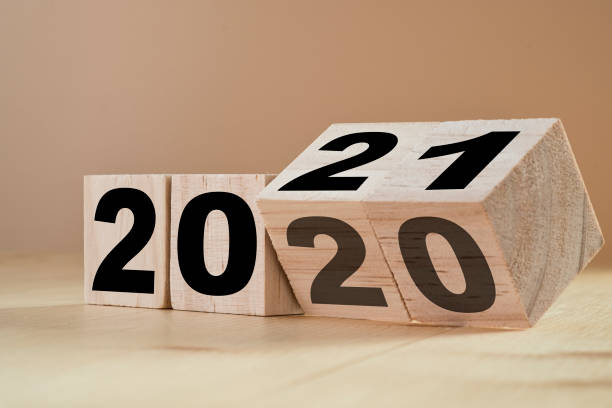
2021 Writing Goals

129,129 2021 Stock Photos, Pictures & Royalty-Free Images - iStock

(Photo source)


Every year I enjoy making a list of goals and seeing what I can do to achieve them. 2020 has been (insert word here). When it comes to goals I made at the beginning of 2020, I have been successful in some ways, and terrible in others (cue the laughing and crying).

It is more pleasant to think about 2021 goals because there is hope around the corner. I participate in National Novel Writing Month in November every year, and since I will be graduating, I will be able to write more in the coming year. So here are my goals as they stand now.

1. Participate in April Camp National Novel Writing Month

2. Complete masters thesis

3. Prepare thesis for publication

4. Participate in July Camp National Novel Writing Month

5. Participate in November National Novel Writing Month

6. Edit 2020 National Novel Writing Month Novel


What are some of your writing goals for 2021?


Thursday, May 7, 2020

Dear O'Abby: My agent says the real-life truth in my book isn't believable


Dear O’Abby,

I’ve just had a weird response from my agent.  At least, I think it’s weird, which is why I’m coming to you.  My new book was inspired by a lecture I went to and a specific situation the speaker mentioned in her talk.  The entire plot sprang from this single, real-life story she told about her personal experience.

My agent loves the new book, but isn’t convinced that readers will believe a certain part of the story – the part that was inspired by this woman’s lecture.

What do I do in this situation?  My agent has asked me to do a rewrite where I take this element out, but I’m not sure I want to do that, given this is where the story started and is kind of the point of the whole book.

Do you have any advice?

Truly,

Bemused

Dear Bemused,

Unfortunately I understand where you’re coming from all too well.  The same thing happened to me when I wrote Stumped.  When I was querying, agents kept telling me how much they loved the voice and the characters and the themes, but they weren’t convinced about one thing a character did. Which was the one thing I’d taken directly from a real-life situation.  And then, after I was agented, my agent brought up the same thing.  Yet I still resisted. 

Until I didn’t.

And you know what?  The book got better.  My protagonist had more agency over his destiny and the change opened up new possibilities for where he could go.

I do still miss that part of the story because I feel like I lost one of the things I was trying to say with the book, but maybe that book wasn’t the place to try and say it.

So my suggestion is, try to make the change.  If you hate the result, you still have the original sitting there (please don’t save over your other draft – I’ve done that and while it’s possible to get the old draft back, it’s not worth the panic and self-flagellation when you realize what you’ve done).  You might be surprised by how much more potential your story and characters can have without that element.

Even if something did happen in real life, sometimes it just won’t work in the context of a book.  There’s a reason they say truth is stranger than fiction.  Or it could be, it’s just this book where it doesn’t work.  Perhaps you’ve created such compelling, realistic characters that whatever your plot point is, doesn’t ring true with them.  Try something else now you know these characters better than you did when you started writing.  You might be surprised by how they react…

And remember, even if that one element is now out of your book, it still sparked the idea that led you to write it.

Hope this helps!

X O’Abby

Thursday, February 27, 2020

Dear O'Abby: Can I write reviews if I'm an aspiring author?

Dear O’Abby,

I’ve been getting conflicting advice about whether or not to review books as an aspiring author. Some people tell me I shouldn’t do it because if I give a bad review to a book represented by a publisher or agent I might wish to query, they may have already put a black mark by my name. Others say I should write reviews because it helps to identify things wrong with stories and writing that I can then apply to my own work.

Do you have an opinion on this?

Best,

Confused


Dear Confused,

I’ve heard that story about why writers shouldn’t write reviews too, but I’ve never taken it too seriously. Agents and publishers should be mature enough to understand that not every book is going to appeal to every reader and that well-written reviews can be valuable to the author even if they aren’t 100% positive.

As a writer, it’s important to read critically and reviewing books is one way to force yourself to do so. If you like a book, reviewing it will help you figure out why you enjoyed it. Was it the story? The characters? The way the words are strung together?

And if you didn’t like the book, what was it you didn’t like? Did you feel the characters acted inconsistently? Was the writing pedestrian? Did the plot fall flat?

By identifying what you do and don’t like about the books you read, you will find yourself growing more critical of your own writing and you may save yourself a lot of grief by fixing issues long before you send the manuscript off to agents or publishers.

If being blacklisted by agents or publishers for writing negative reviews is a real concern, there are a number of ways you can get around it.

Firstly, only publish reviews of things you like. Write the negative ones because they’re often more helpful to you as a writer than the positive ones, but don’t publish them. I did this for a while, calling the review section on my blog ‘books I’ve loved’ and only reviewing things I really liked. I ended up stopping this though, because there just weren’t enough books I loved to write a positive review every week.

Another way to get around it is to review under a pseudonym or write under a pen name so your reviews aren’t linked to your author name.

The key thing to remember when writing reviews is to be constructive. Don’t just pile on with a negative rant. Nothing is 100% bad, so even a negative review can mention a few positives to balance out the negativity. Personally, I like to start with something I liked and finish with another thing I liked with all the critique in the middle. Always read what you have written before you publish and think about how it would make you feel if this review was for your own book.

I would also suggest you don’t tag the author when you publish the review. Not all writers like to read their reviews and if they accidentally click onto a link in a tweet or something and find themselves confronted with a negative review, it could be very upsetting for them.

So that’s my opinion on whether writers should write reviews. I know other people have different opinions, but if you want to write reviews and if you find the process helps your own writing, why not?

If you want more information about this topic, Operation Awesome's J Lenni  Dorner has written a very helpful book, Writing Book Reviews As An Author which gives much more in-depth guidance about how to effectively review books as an author. Some of the advice in there may contradict my own, but it's still a valuable resource, even if you are not a writer and want to write reviews.

Happy reviewing!

X O’Abby